The Common Swift, scythe-winged speedmaster of Mediterranean skies
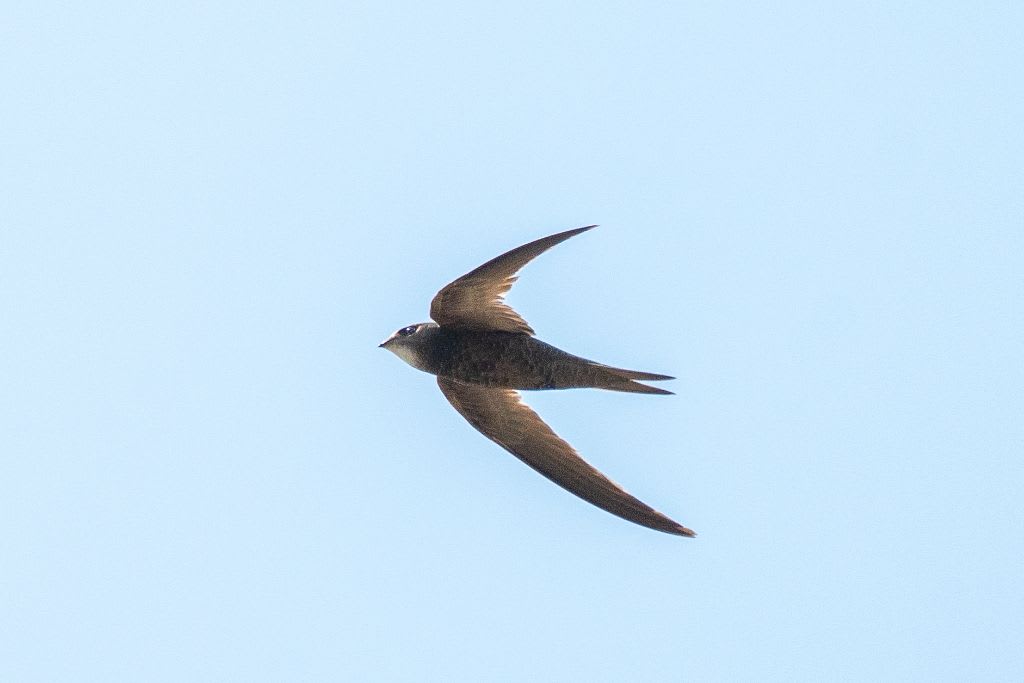
The supreme creature of the sky, the Common Swift (Apus apus) spends almost its entire life airborne. Carving through blue skies at over 100 km/h with crescent scythe-like wings, its screaming parties electrify Provencal summer air.
My field observations in the Var — sites, months and context
✓ Aug 2026 Synthesis (1 record)Captured high in the sun-drenched sky over Hyères, Carqueiranne and coastal lagoons, sweeping through aerial plankton with precision.
Commented in situ photo gallery
1 telephoto photographs taken in the Var department (Rule 11)
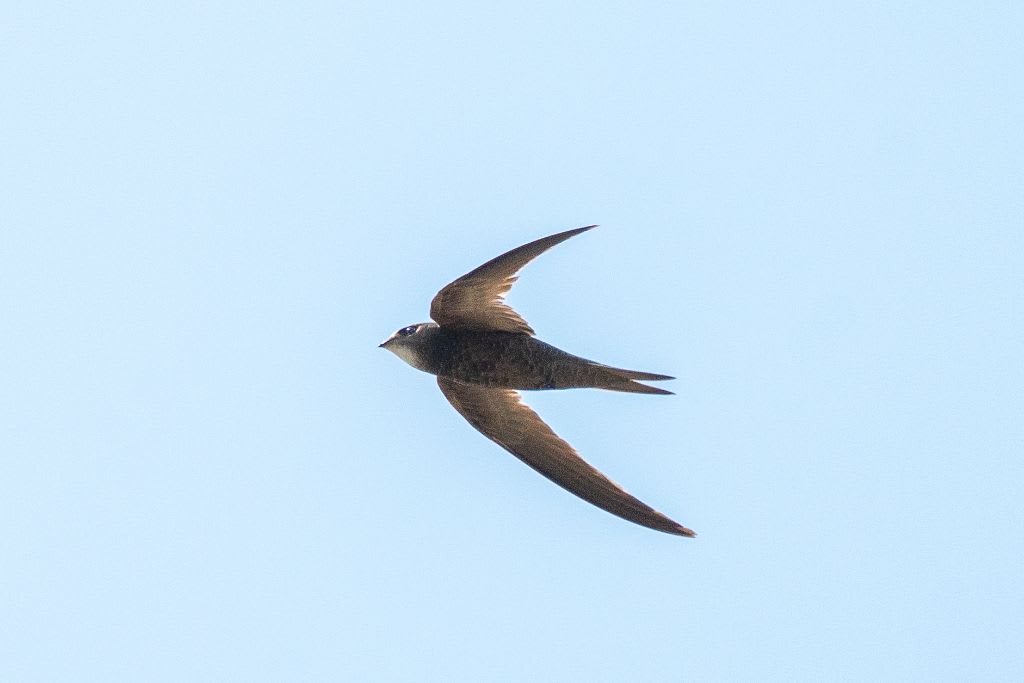
Recognizing the species on my photos — visible details
Aerodynamic crescent silhouette with long swept-back wings, short forked tail, uniform sooty-black plumage with a tiny pale throat patch.
Open skies above historic villages, pine-clad hills, sea cliffs and wetlands.
Aerial plankton: flying ants, aphids, tiny airborne spiders, midges and beetles.
Photographing the species: field experience
Locking focus on a swooping swift demands pinnacle tracking reflexes and shutter speeds of 1/4000s or faster.
- •It sleeps, feeds and even mates entirely on the wing, coming to rest only to incubate eggs inside historic masonry cracks.
- •Its tiny legs (from Greek 'Apus', without feet) are designed exclusively for gripping vertical walls.
- •By mid-August, adults embark on an epic nonstop return journey to southern Africa.


