Discover the birds and landscapes of the Var through my lens
From the salt lagoons of Hyères to the rugged ridges of the Maures, explore the coastal nature sanctuaries of the Var. 100% authentic wild photography, captured in the heart of Mediterranean light.
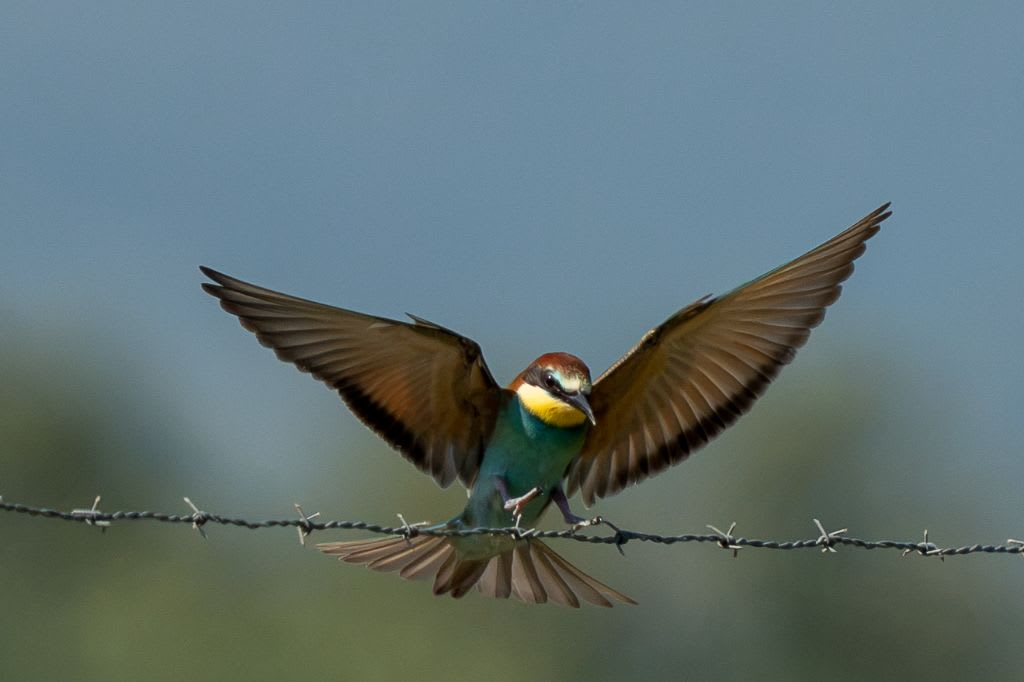
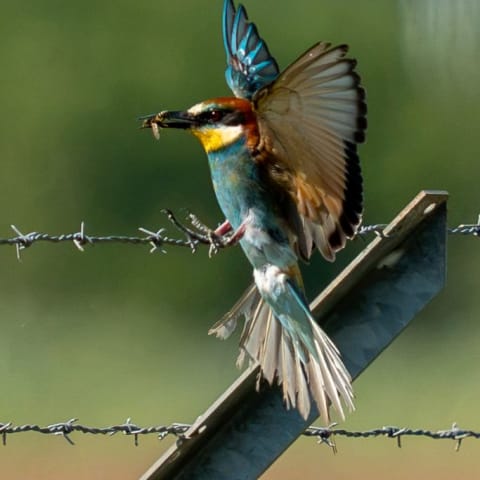
Guêpier d'Europe en atterrissage
Un Guêpier d'Europe aux couleurs vives capturé en plein vol au moment précis de son atterrissage sur un fil de fer barbelé, ailes en éventail.
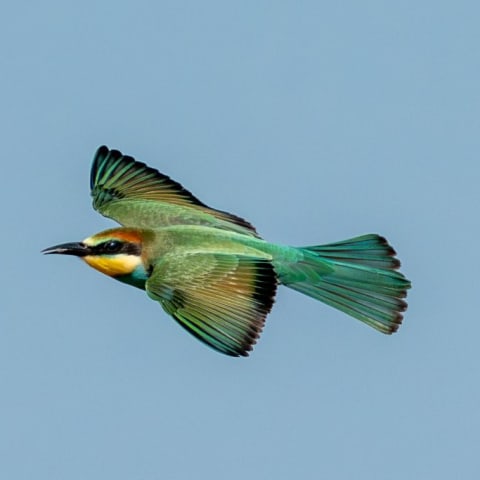
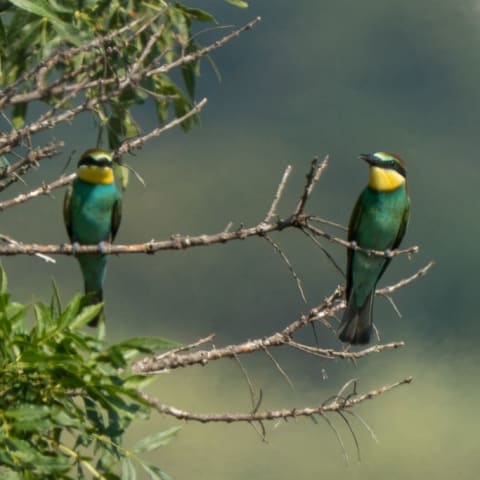
Why the European Bee-eater is TheLittle83's mascot
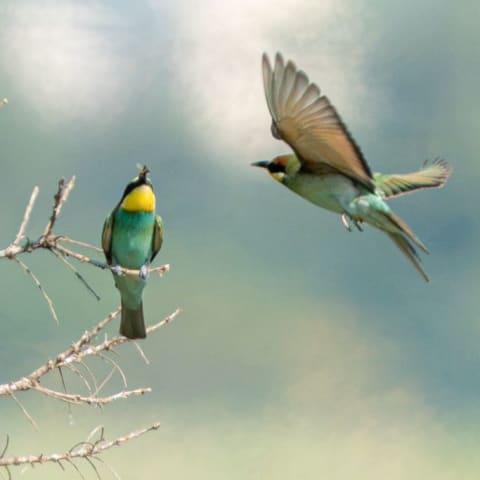
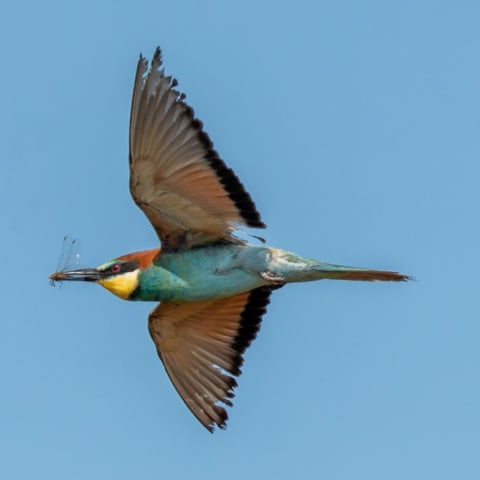
Arriving from Africa each spring to dig burrows along soft Var riverbanks and departing in late August, the bee-eater epitomizes the vivid brilliance and vulnerability of Provençal wildlife.
The Nature Sanctuaries of the Var
Hyères Salt Marshes
« The whisper of the mistral over the lagoons: the birds of Salins des Pesquiers »
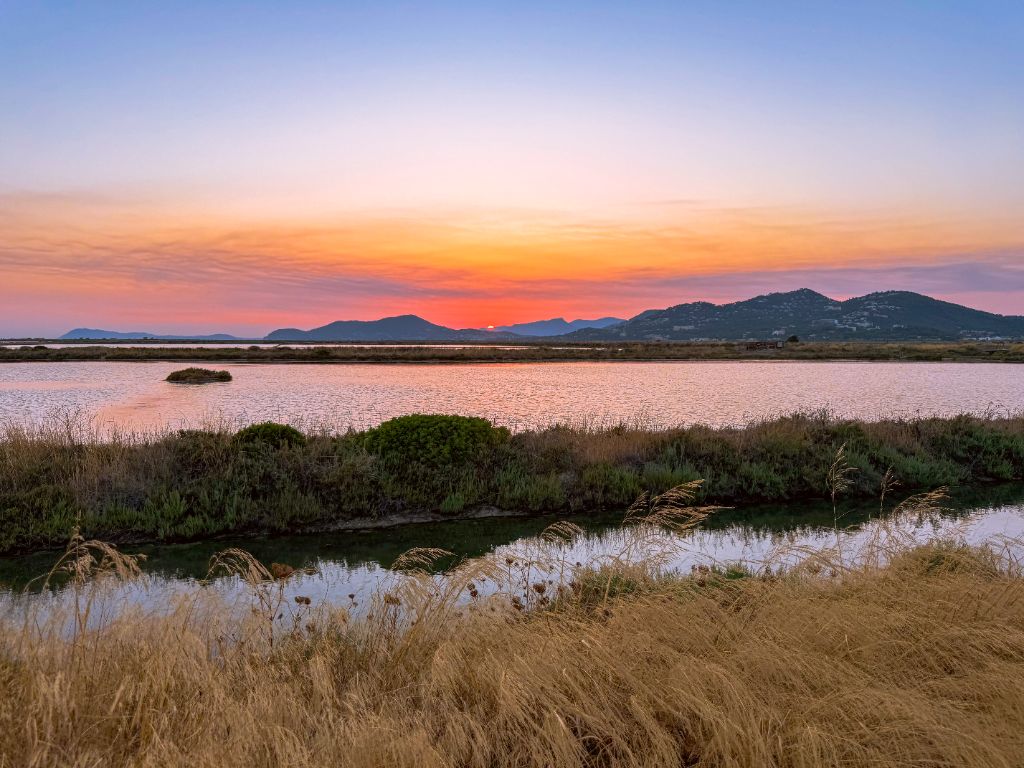
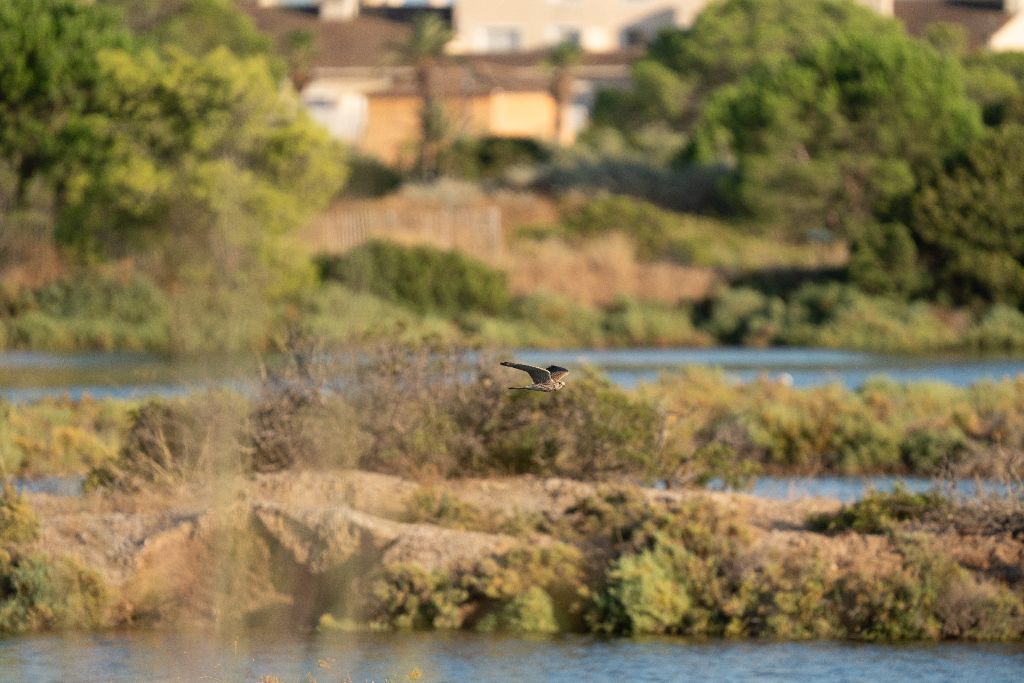
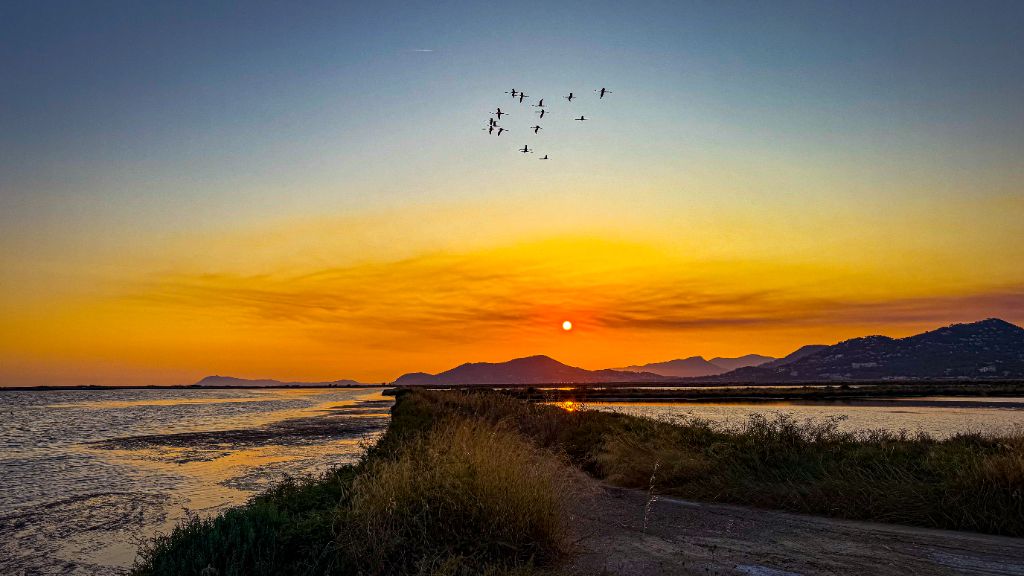
At first light, as the mistral sweeps across the former salt pans, the air carries the scent of sea brine and maritime pine needles. The Hyères salt marshes — divided between the Vieux Salins to the east and the Pesquiers on the western tombolo — form the beating heart of birdwatching in the Var. Here, along major Mediterranean migration routes, late summer light sculpts the silhouettes of flamingos filtering shallow brine and terns plunge-diving into tidal channels. Staying strictly on designated dike paths preserves delicate ground nests on shell islets. From behind wooden observation screens, one watches the parade of waders while the haunting call of a curlew heralds the arrival of Arctic migrants.
Plan de La Garde Nature Park
« The green oasis between sky and reeds: the birdlife of Plan de La Garde »
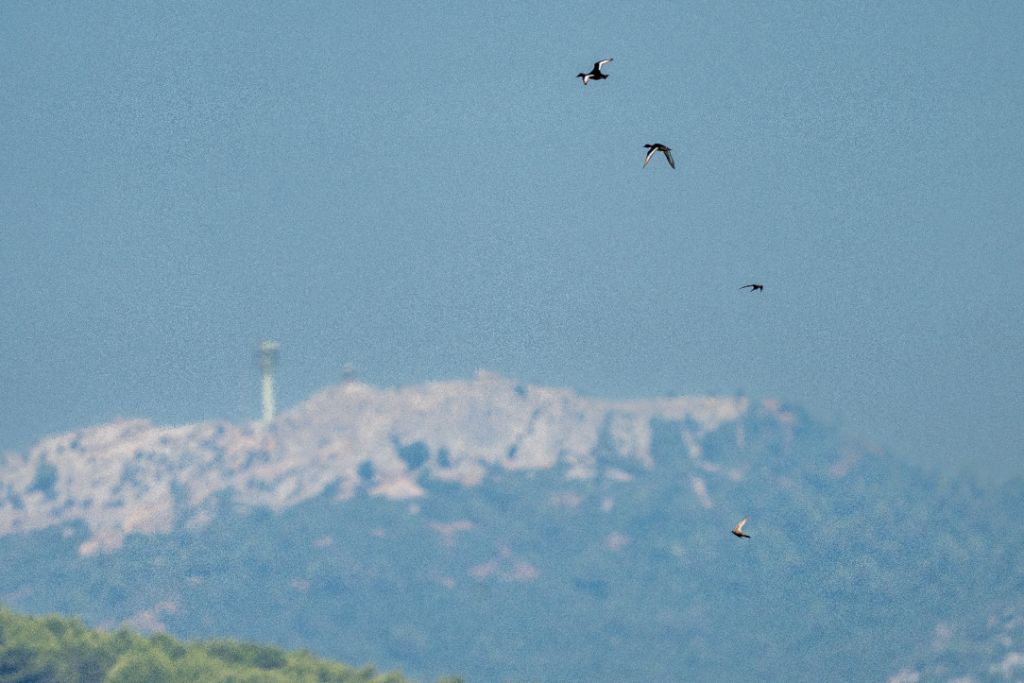
A 130-hectare restored wetland situated between Toulon and Hyères, Plan de La Garde is a brilliant ecological rehabilitation. The mix of open lakes, wet grasslands, willow groves and reed margins hosts remarkable biodiversity. As the prized local jewel of the reserve, the rare Ferruginous Duck (Aythya nyroca) finds a crucial haven here, with a pair captured in synchronized flight over the waters by Cyril Garnier. Here too, the introduced Indian Silverbill has established self-sustaining breeding colonies among the rushes, while harriers cruise low over the meadows and herons fish quietly along the channels.
Carqueiranne Coast & Hills
« Between vineyards and wild coves: the coastal biodiversity of Carqueiranne »
Nestled between the Colle Noire cliffs and the bay of La Garonne, Carqueiranne blends coastal Aleppo pine forests, terraced vineyards and rugged schist coves. In the sun-baked valleys climbing toward Mont des Oiseaux, European Bee-eaters hunt along drystone walls, Kestrels monitor lizard movements from ancient olive branches, and shrikes guard the hedgerows.
Giens Peninsula
« Across the double tombolo: wild coastal trails of the Giens peninsula »
A geological marvel of global renown, the double tombolo of Giens connects the mainland to a rocky former island with two parallel sand spits embracing the Pesquiers lagoon. This unique setting offers sudden transitions between tranquil brine waters and wild open sea cliffs. Along the southern cliffs overlooking Port du Niel and Tour Fondue, Alpine Swifts and Short-toed Eagles exploit coastal sea updrafts, while terns and waders rest along sheltered beaches.
La Lieurette (Marsh & LPO Refuge)
« Inside the Macany LPO Refuge: the secretive birdlife of La Lieurette »
Covering nearly 30 hectares in the alluvial plain of Macany (along the Roubaud and Sauvette waterways), the wetland of La Lieurette is a safeguarded ecological gem. Owned by the City of Hyères and co-managed with the Toulon Provence Méditerranée (TPM) Metropolis, the marsh is protected under an official convention with LPO Provence-Alpes-Côte d'Azur as a certified "LPO Refuge". This conservation status strictly bans hunting and chemical pesticides, securing a vital sanctuary for over 190 bird species, the European pond turtle, and rare wetland mammals. However, exploring this area requires strict naturalist discipline: La Lieurette is surrounded by active agricultural and equestrian farmland. Several tracts host horse breeding estates and private pastures under temporary grazing agreements. A significant number of access trails, farm roads, and lanes are strictly private property and forbidden to unauthorized visitors. Ethical birding requires adhering strictly to designated public peripheral roads (such as paths along the Roubaud) or participating in guided tours arranged by the local LPO group. Never trespass into private equestrian enclosures or climb pasture fences. Through discretion and respect, visitors can witness the low foraging flights of Western Marsh Harriers skimming the mist and the calls of Zitting Cisticolas among the reeds.
Ceinturon Ecological Corridor & Ayguade
« Along the Ceinturon reeds: the golden corridor of Ayguade »
A vital green corridor linking inland plains to the Ayguade shoreline, the Ceinturon Corridor is a remarkably lush wetland. Freshwater ditches, thick cattails, and tamarisk stands create a natural buffer habitat right by the sea. Here, extensive field surveys by Cyril Garnier in August 2026 recorded high biodiversity: energetic Indian Silverbills feeding in seed heads, Common Kingfishers zipping along watercourses, and elusive Purple Herons stalking prey deep within the reeds.
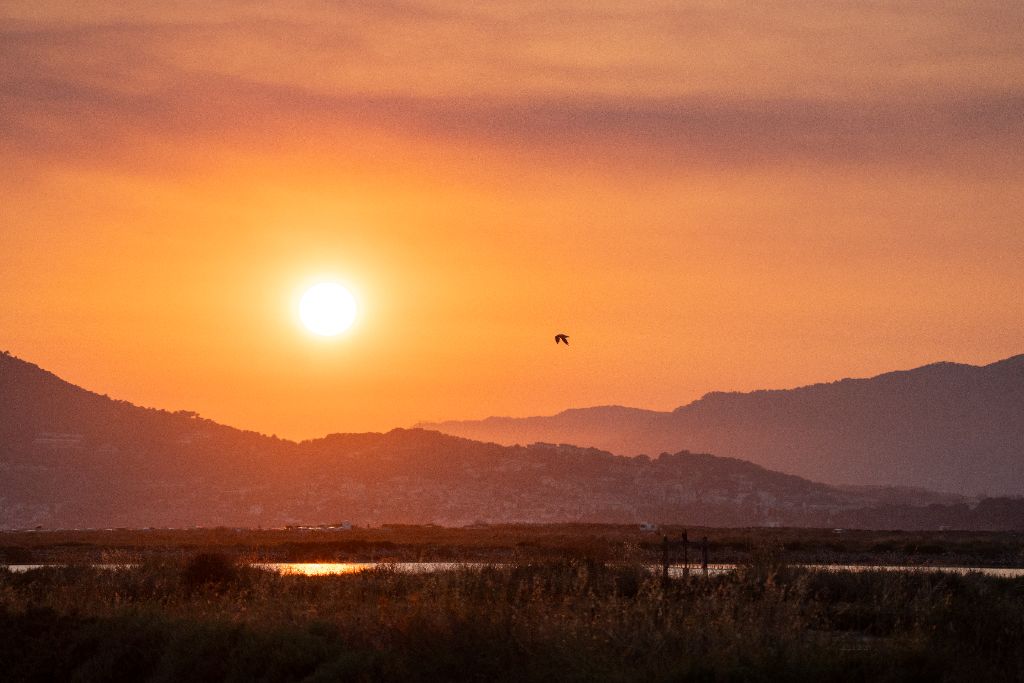
Vieux Salins to La Londe Coastal Trail
« Between maritime pines and tidal flats: the wild fringe of Vieux Salins »
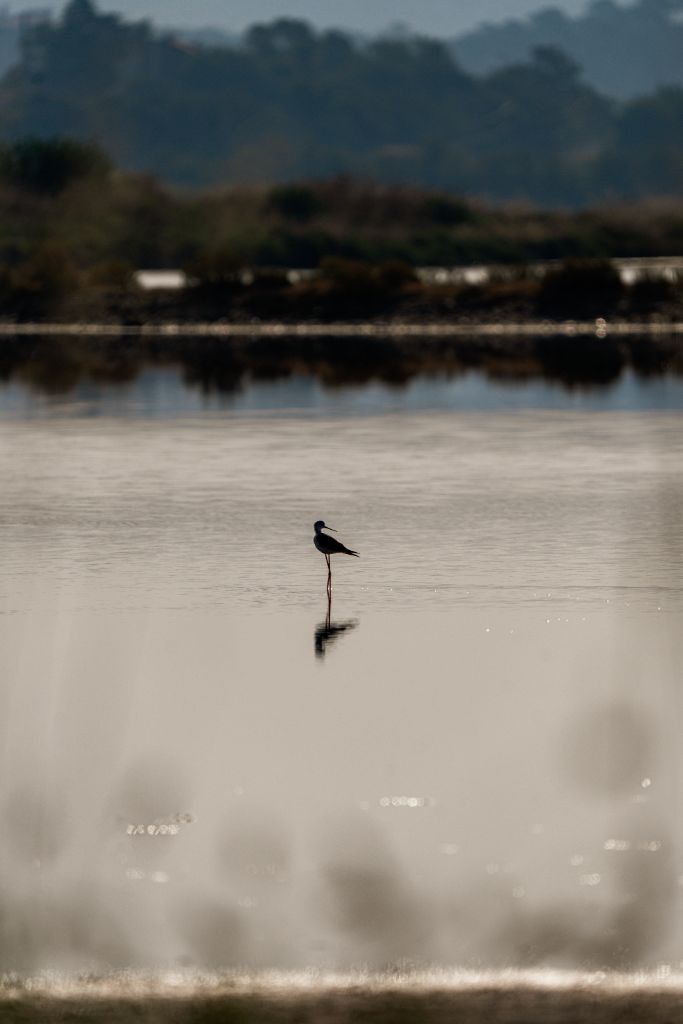
Stretching along the eastern littoral ribbon of Hyères toward the wild beaches of La Londe-les-Maures, this lesser-known coastal trail blends marine and lagoon landscapes. On one side lie the tidal mudflats of Vieux Salins where waders feed; on the other, maritime pine groves fragrant with sea spray. Far less visited than the central dikes, this shoreline path is a prime observation route for Arctic migrants like Eurasian Curlews, Black-winged Stilts, and Little Terns resting before crossing the Mediterranean.
Landscapes & Atmospheres of the Var
Mediterranean birdlife in its natural setting: salt lagoons, golden reedbeds and limestone ridges.
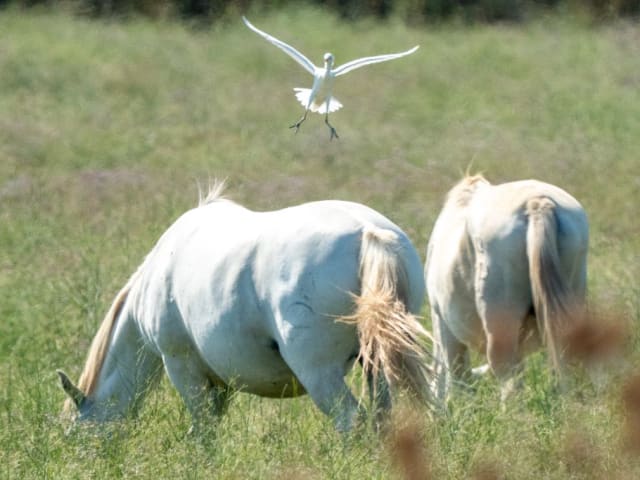
White Sylphs: Camargue horses and an egret over the Var wetlands
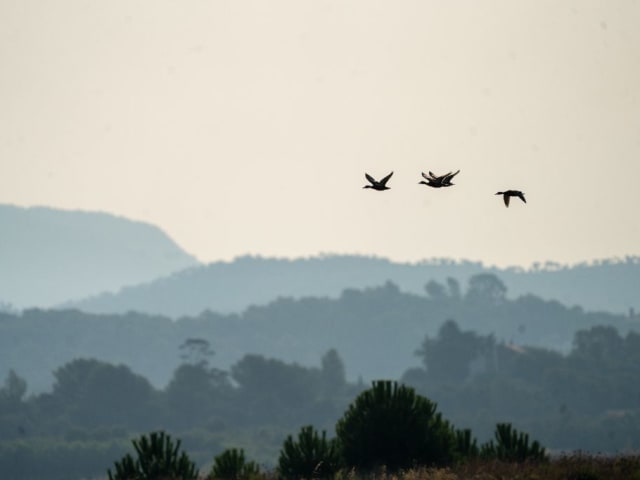
Four silhouettes in flight above the misty hills of the Var
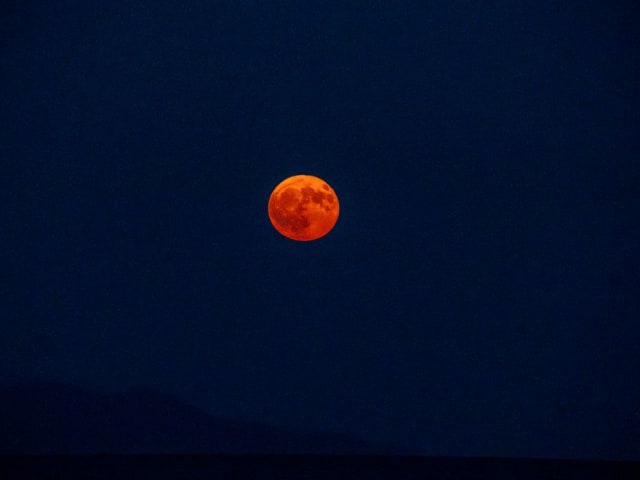
Blood moon over the Var ridgelines
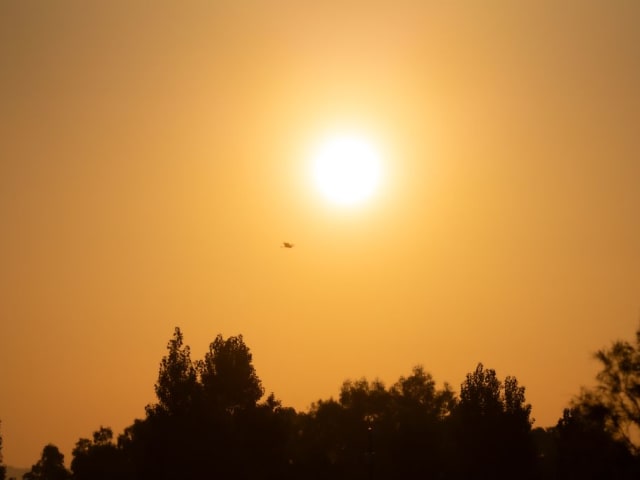
The sun slides down: golden backlit treeline
The Var Bird Atlas
Only species photographed in the wild by Cyril Garnier are admitted into the Atlas.
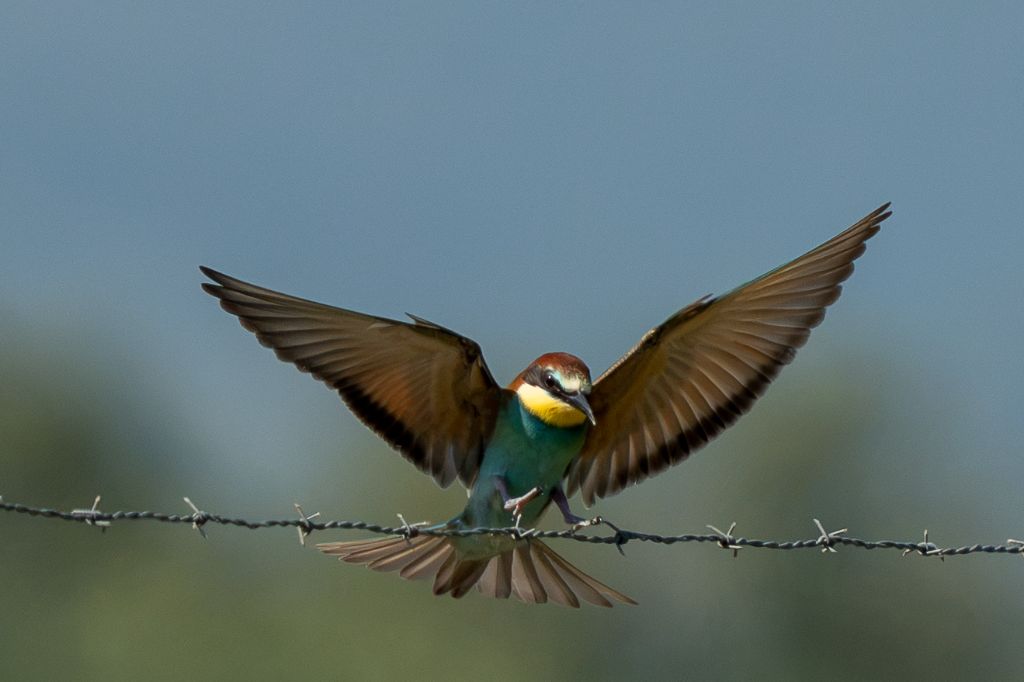
European Bee-eater
Merops apiaster
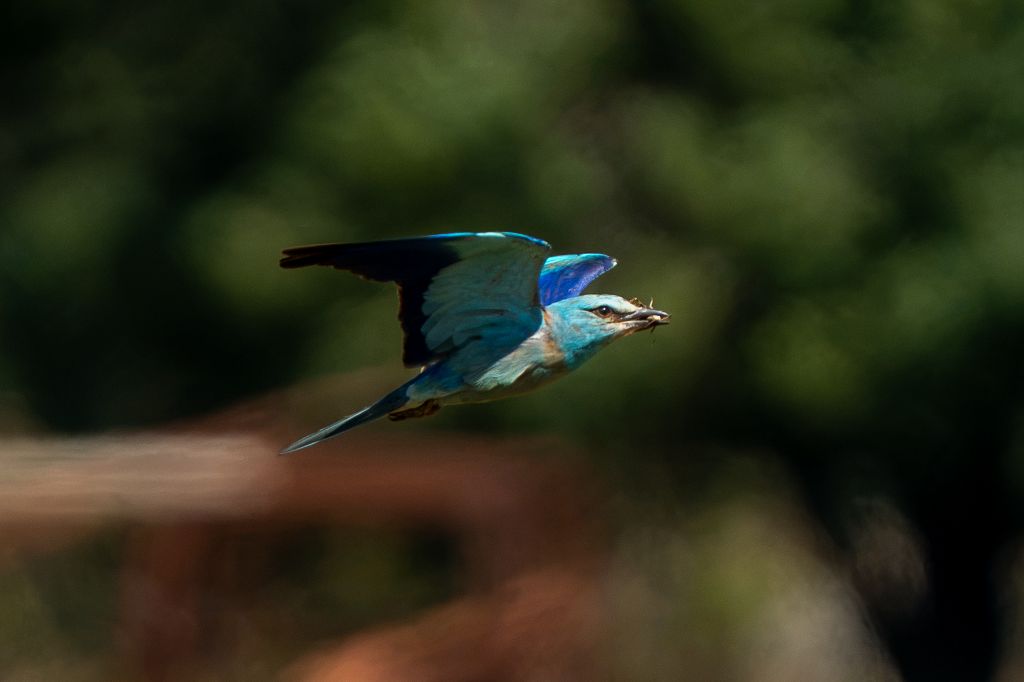
European Roller
Coracias garrulus
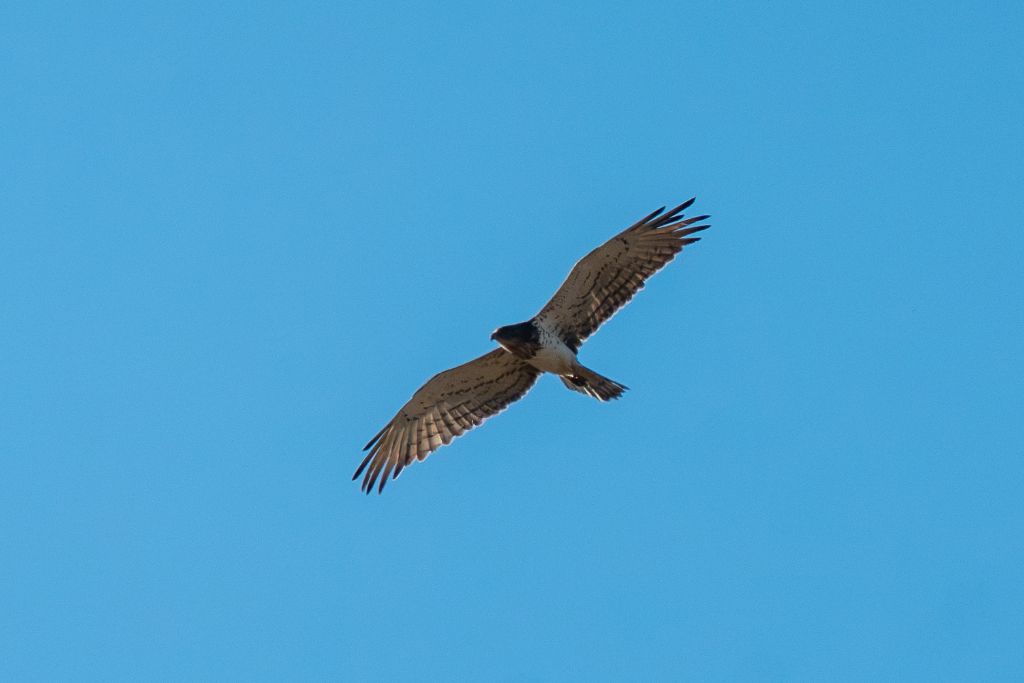
Short-toed Snake Eagle
Circaetus gallicus
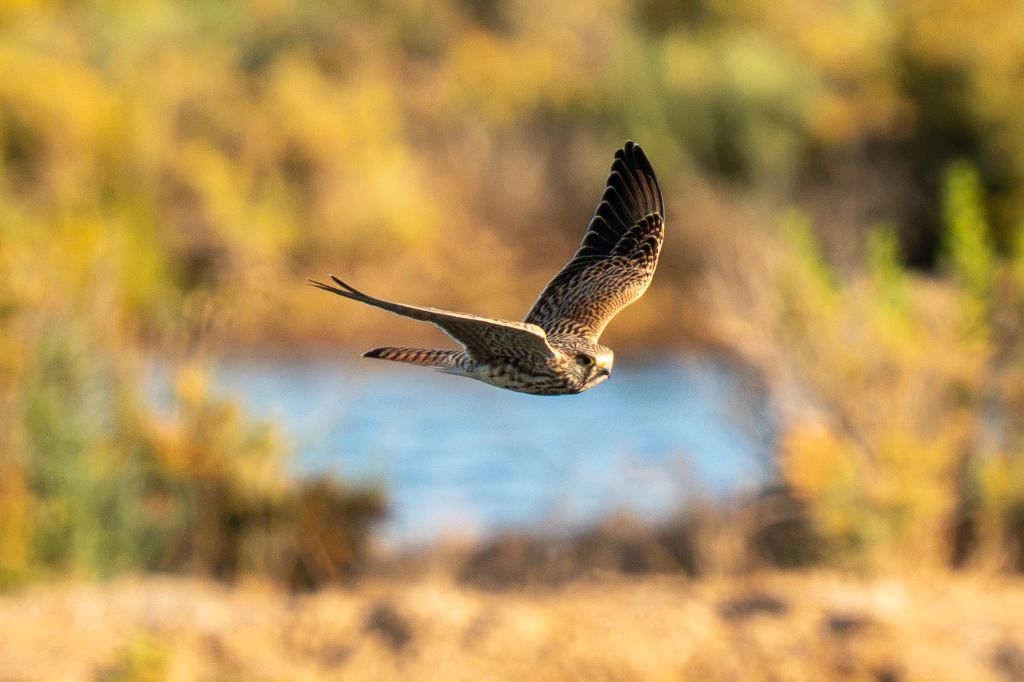
Common Kestrel
Falco tinnunculus
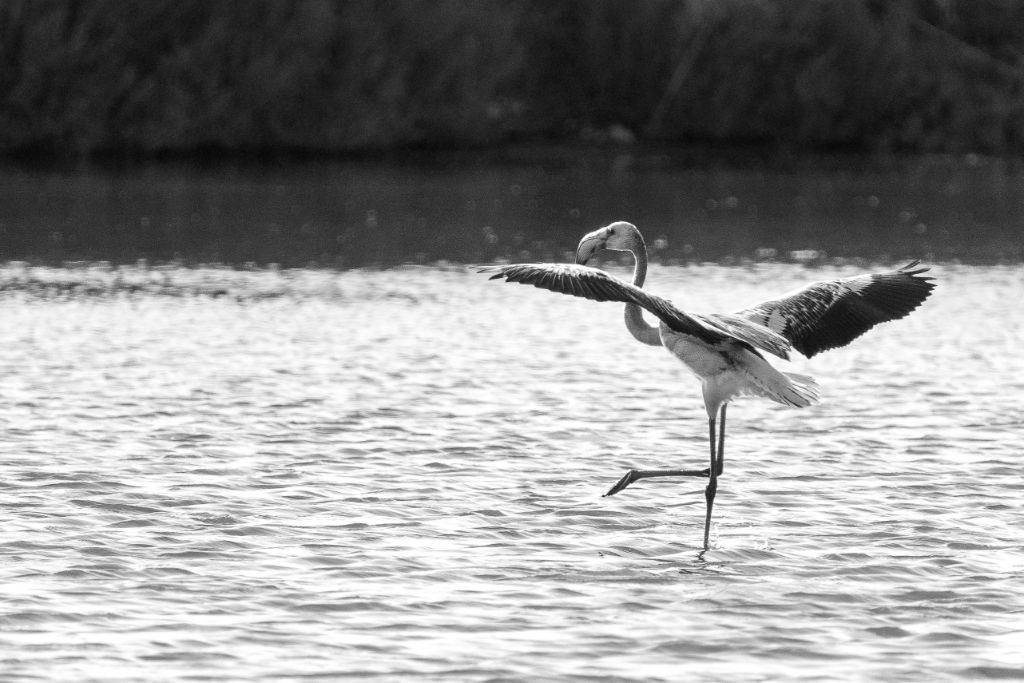
Greater Flamingo
Phoenicopterus roseus
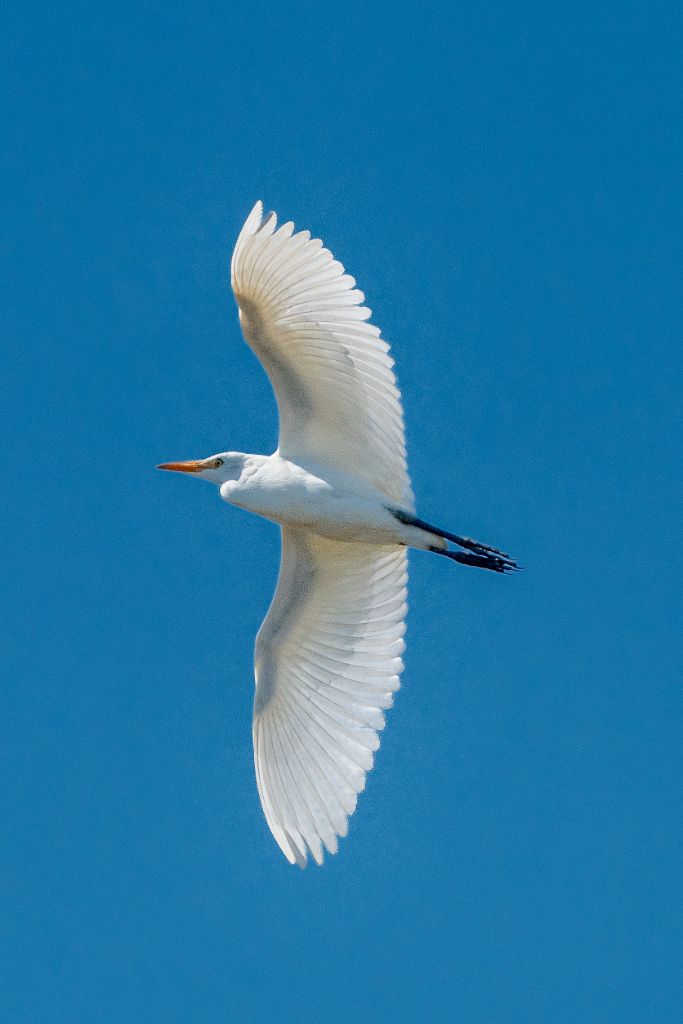
Great Egret
Ardea alba
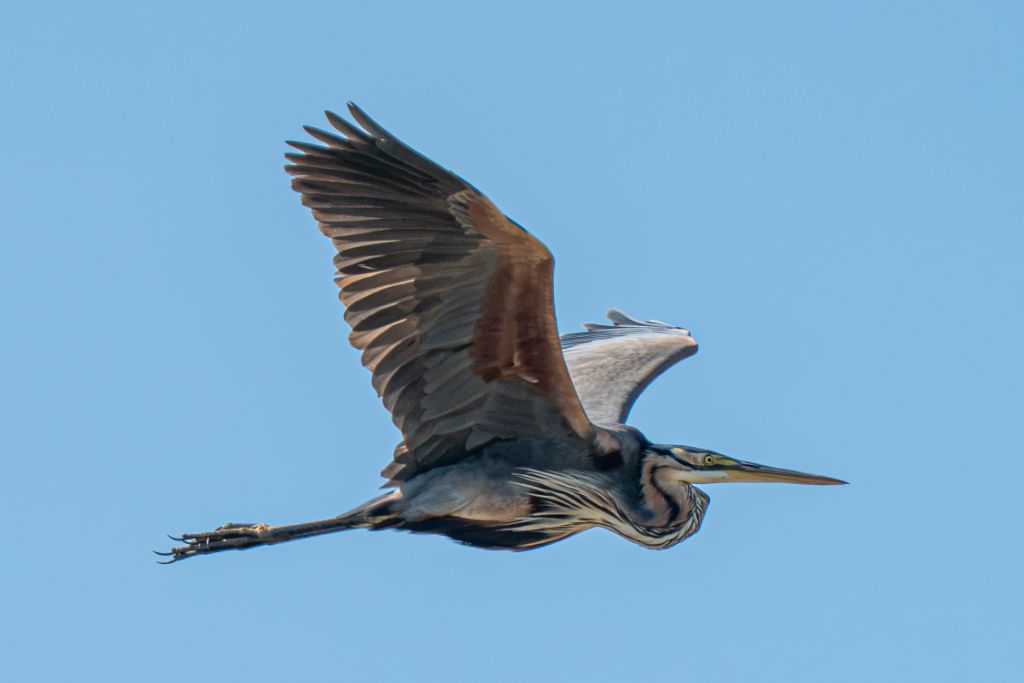
Purple Heron
Ardea purpurea
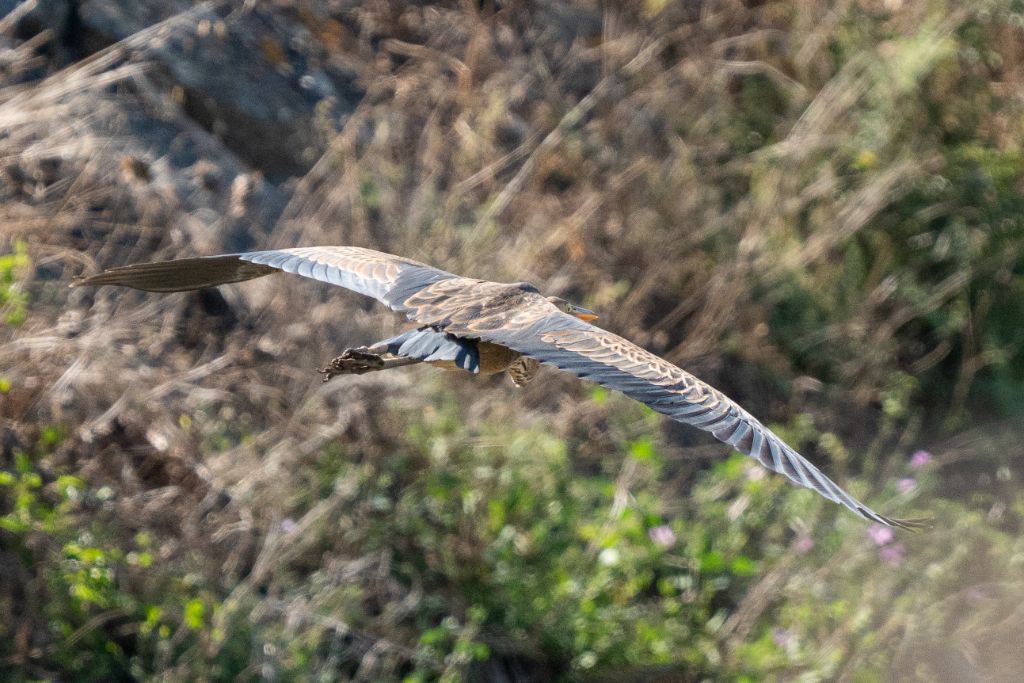
Grey Heron
Ardea cinerea
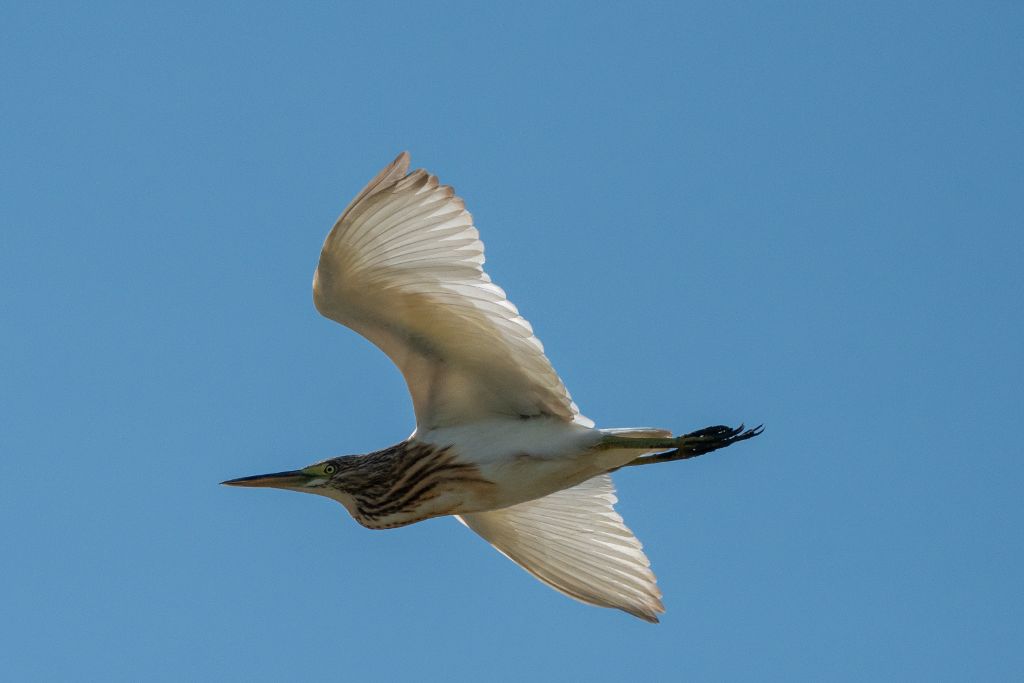
Squacco Heron
Ardeola ralloides
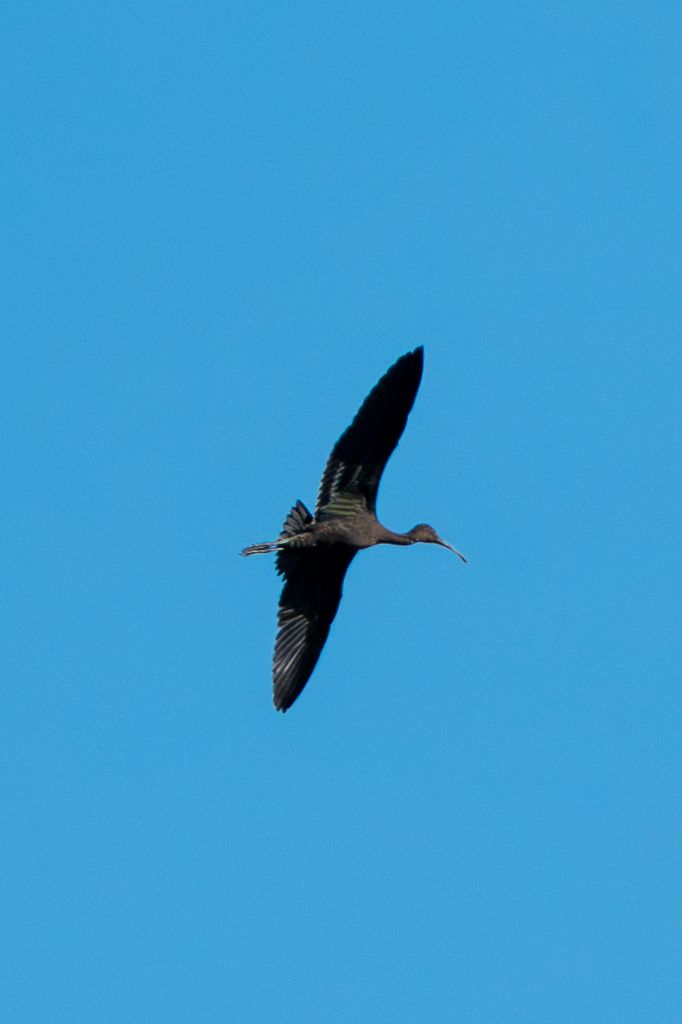
Glossy Ibis
Plegadis falcinellus
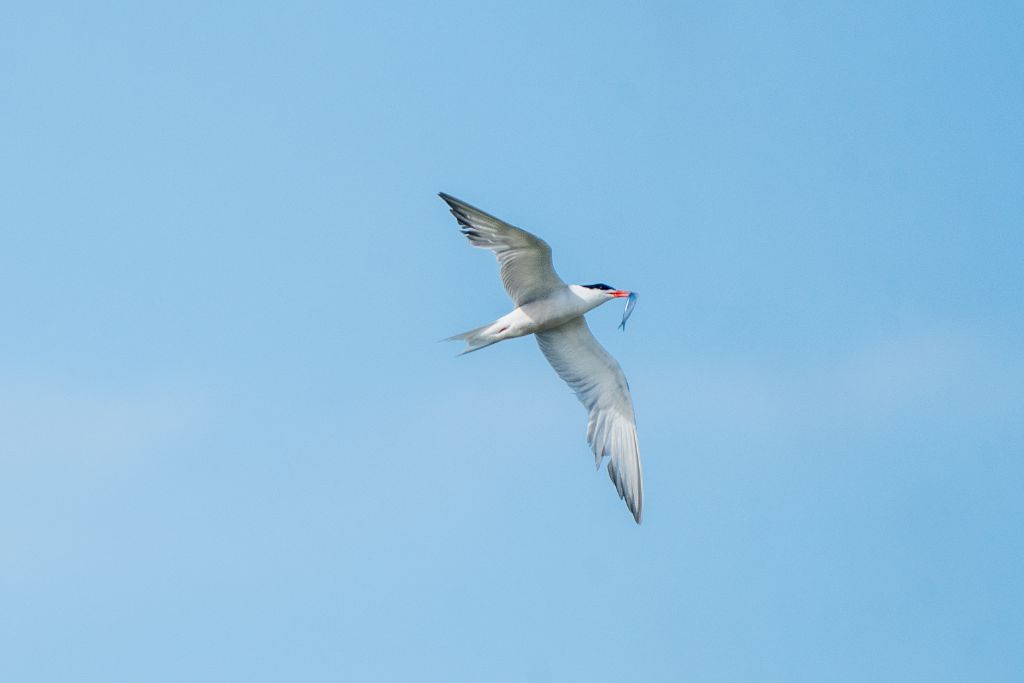
Common Tern
Sterna hirundo
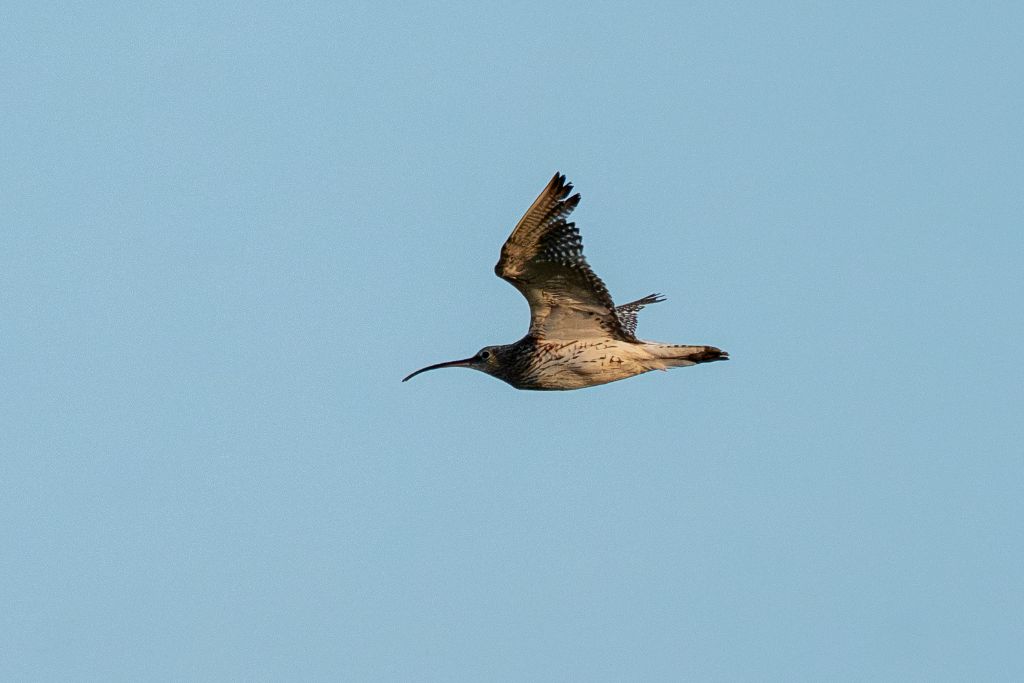
Eurasian Curlew
Numenius arquata
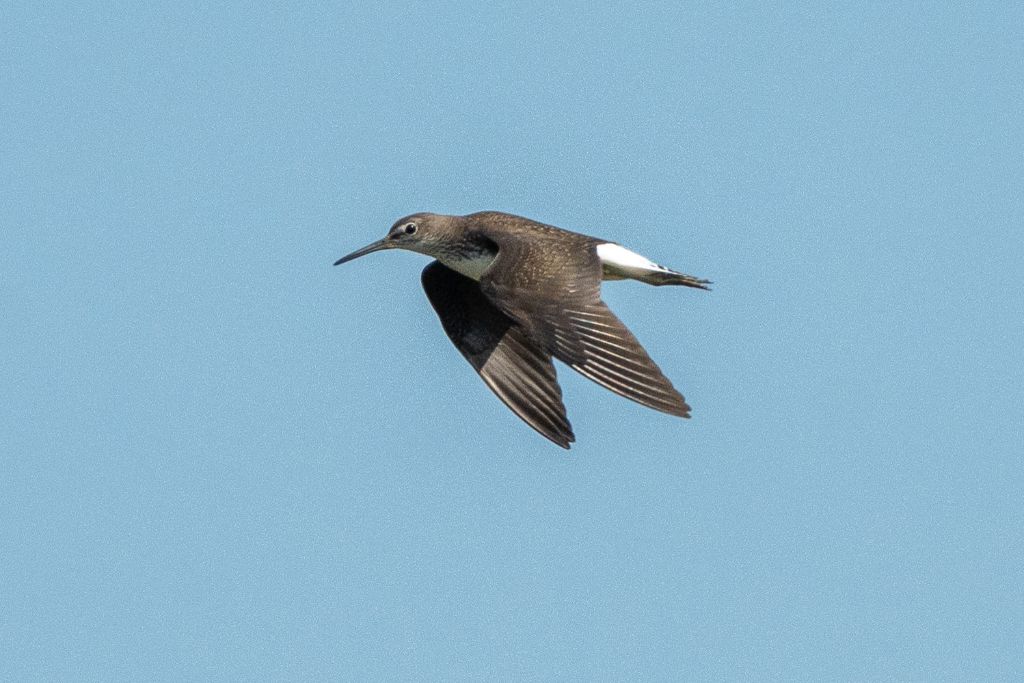
Green Sandpiper
Tringa ochropus
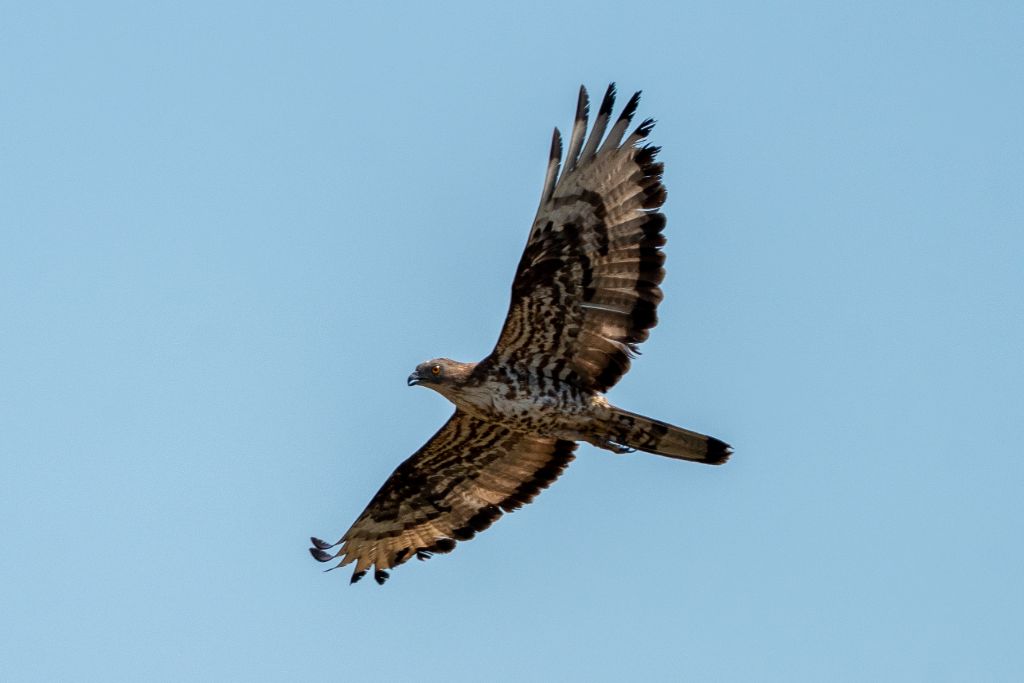
European Honey-buzzard
Pernis apivorus
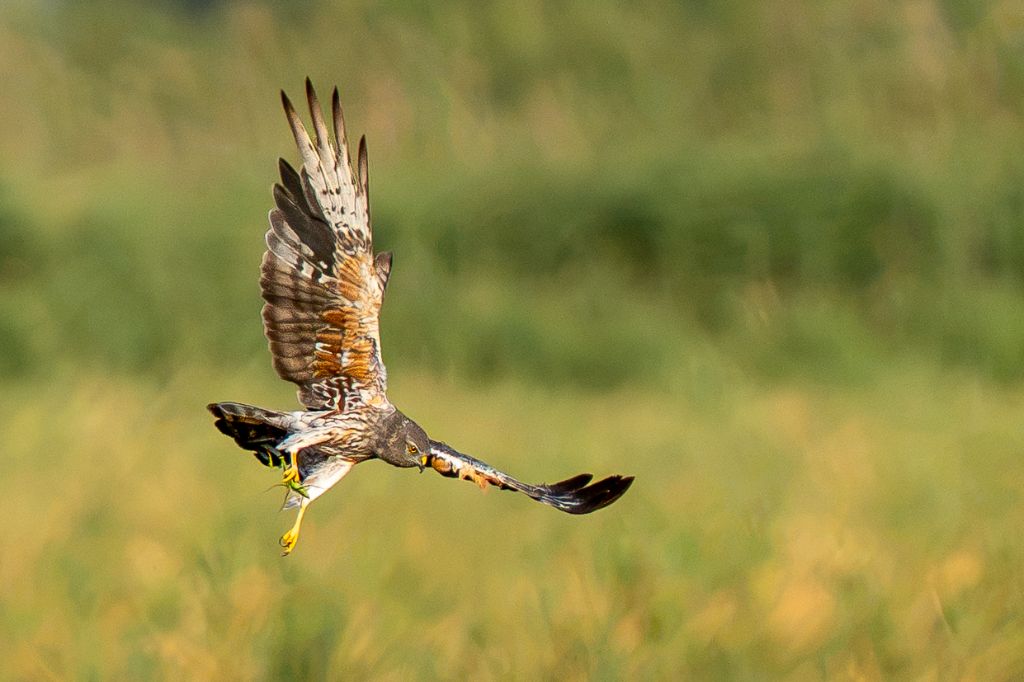
Western Marsh Harrier
Circus aeruginosus
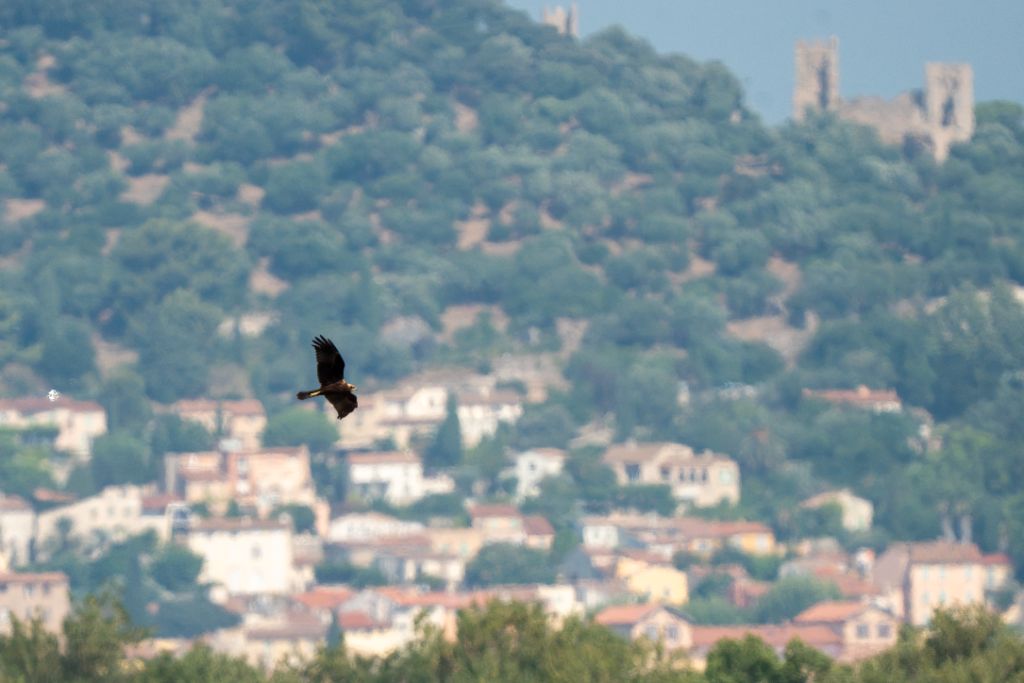
Black Kite
Milvus migrans
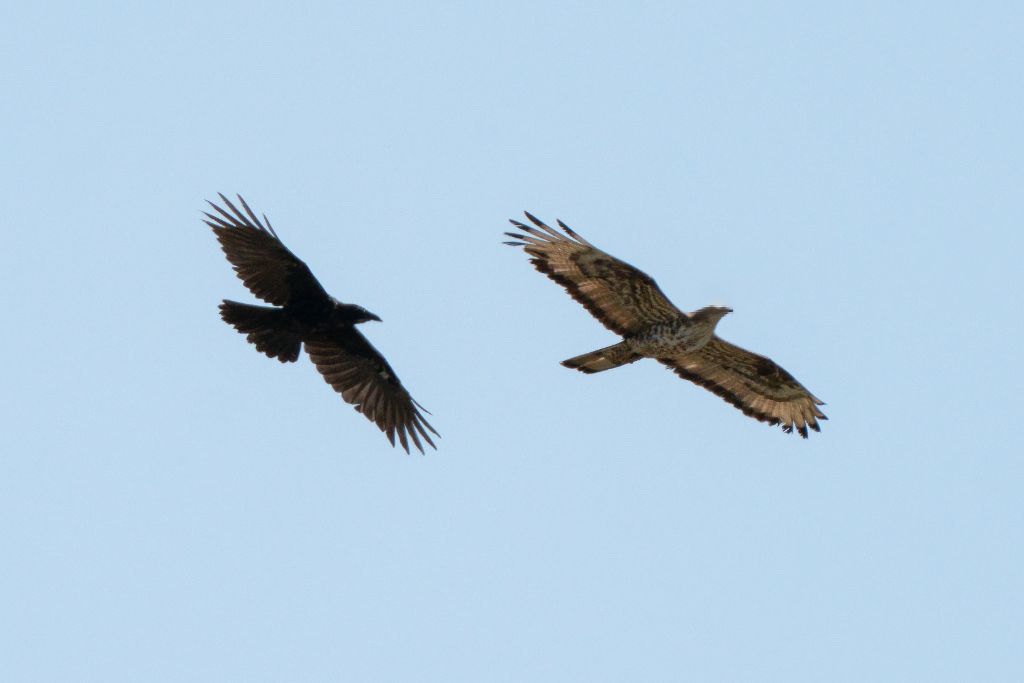
Common Raven
Corvus corax
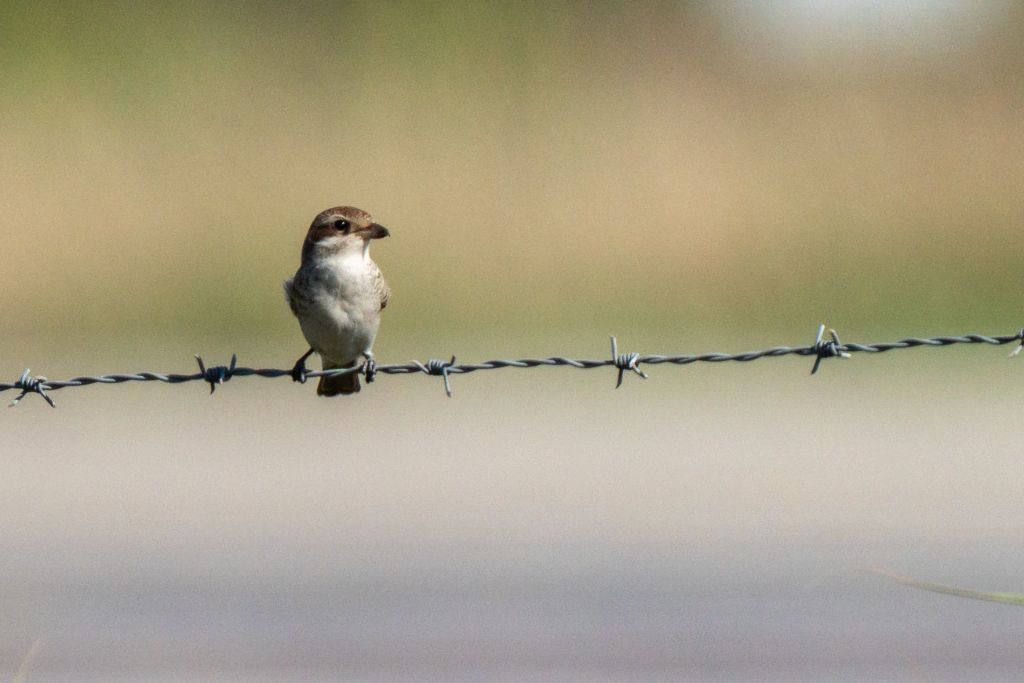
Red-backed Shrike
Lanius collurio
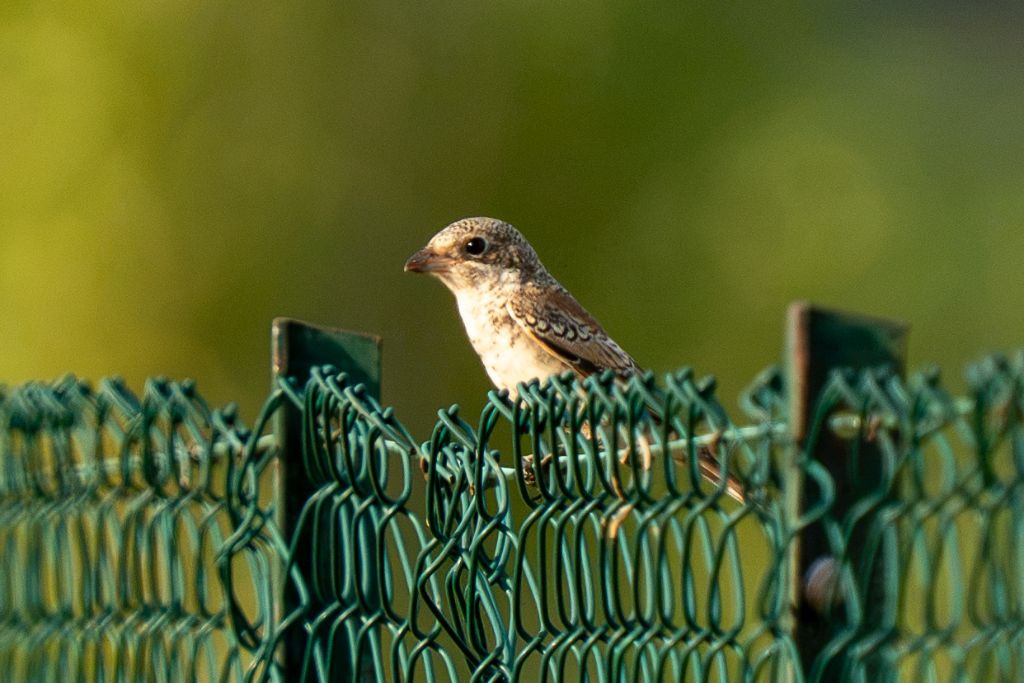
Woodchat Shrike
Lanius senator
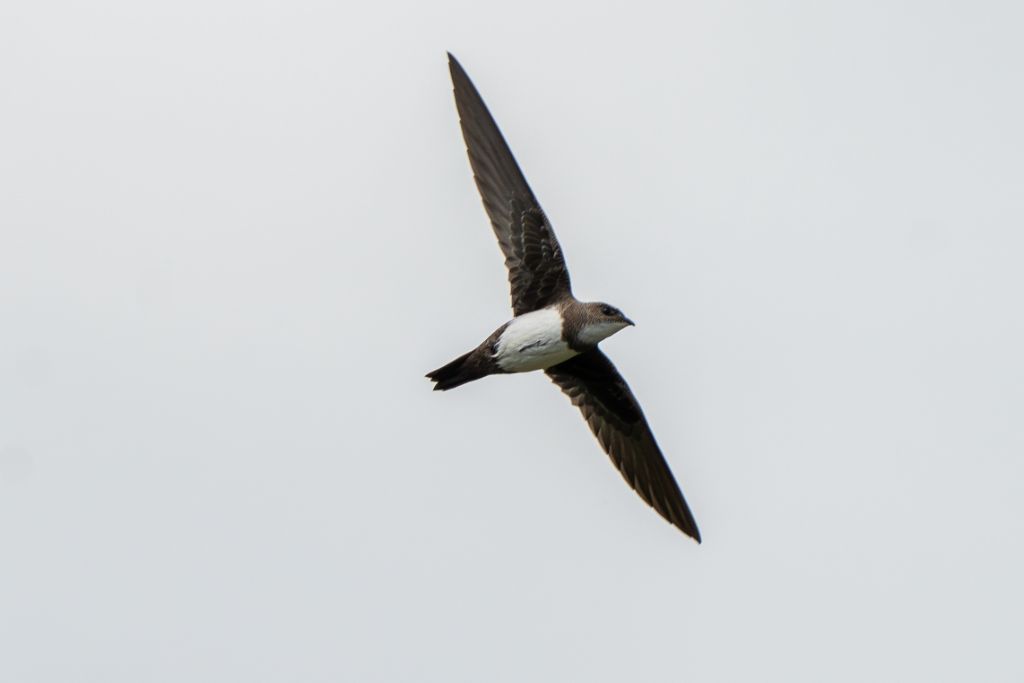
Alpine Swift
Tachymarptis melba
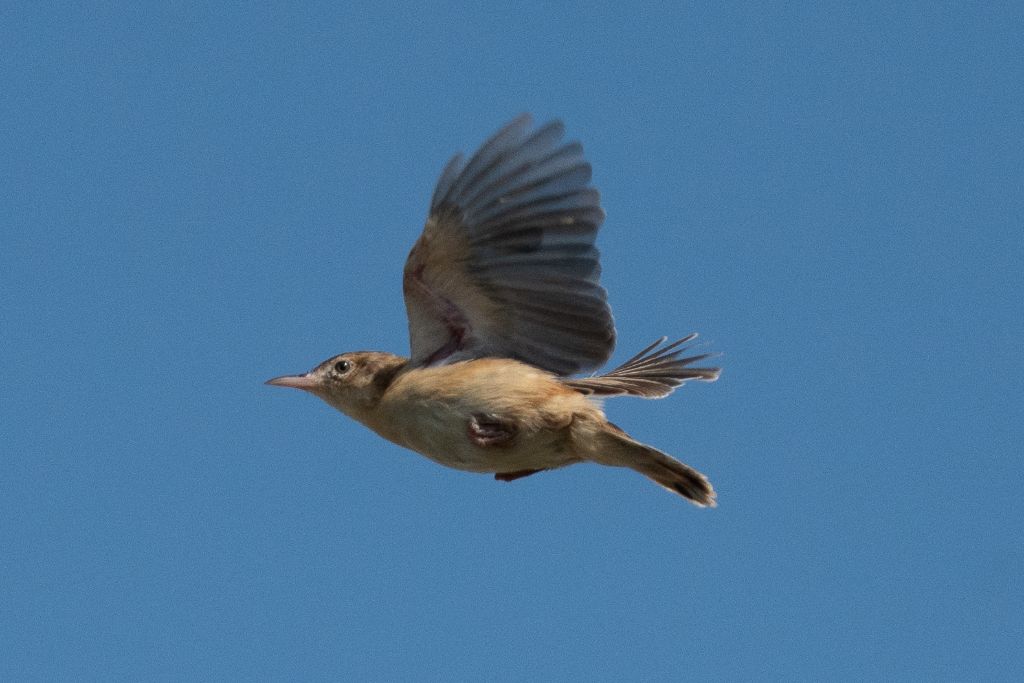
Eurasian Reed Warbler
Acrocephalus scirpaceus
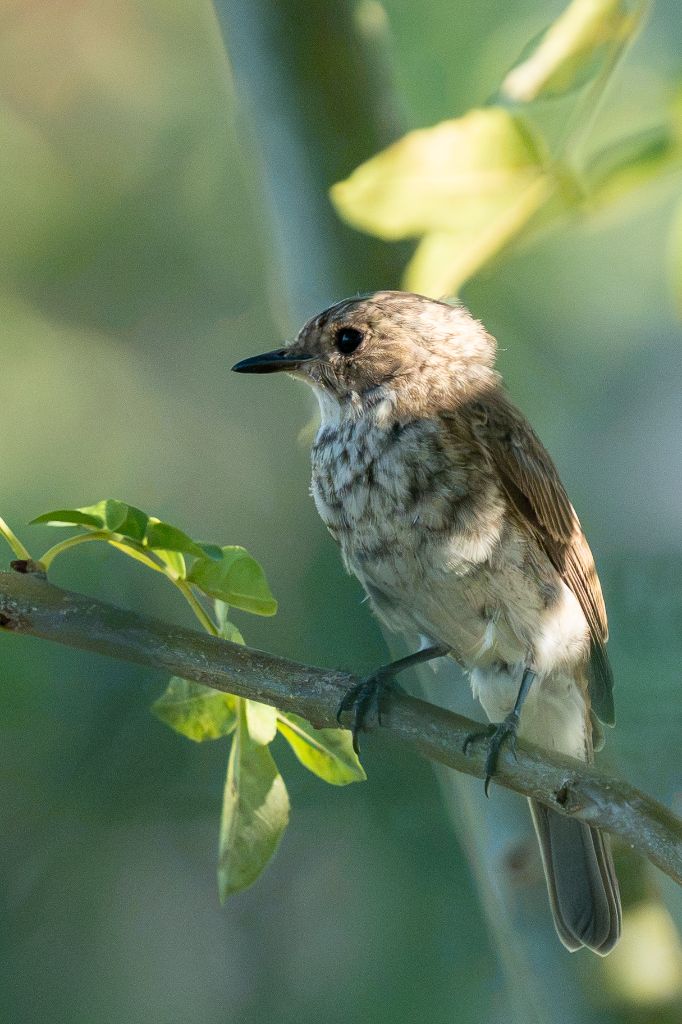
Spotted Flycatcher
Muscicapa striata
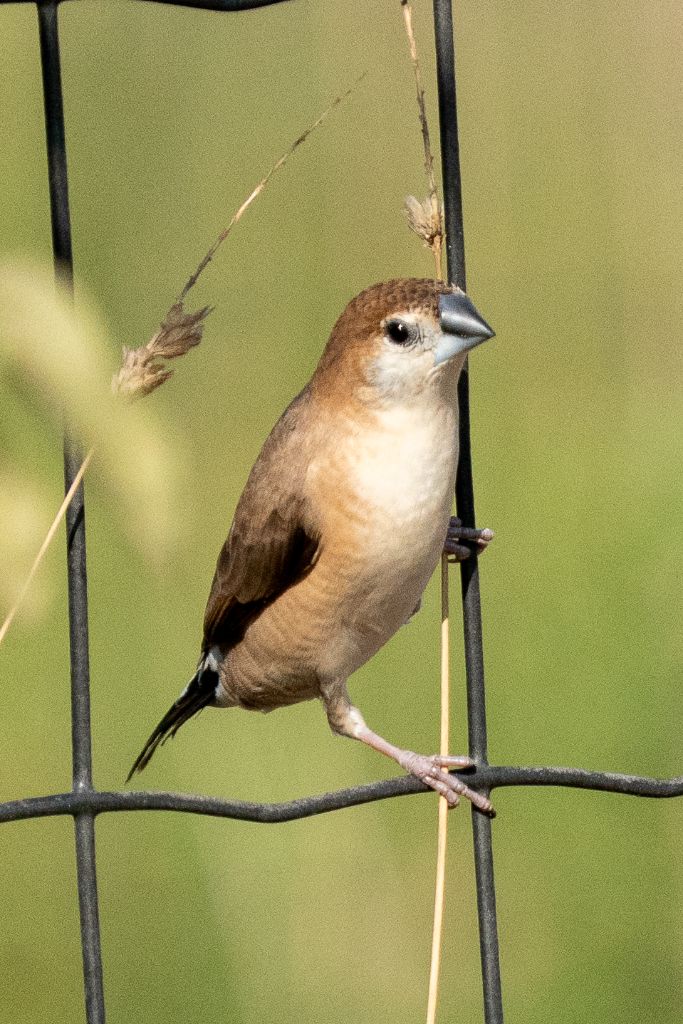
Indian Silverbill
Euodice malabarica
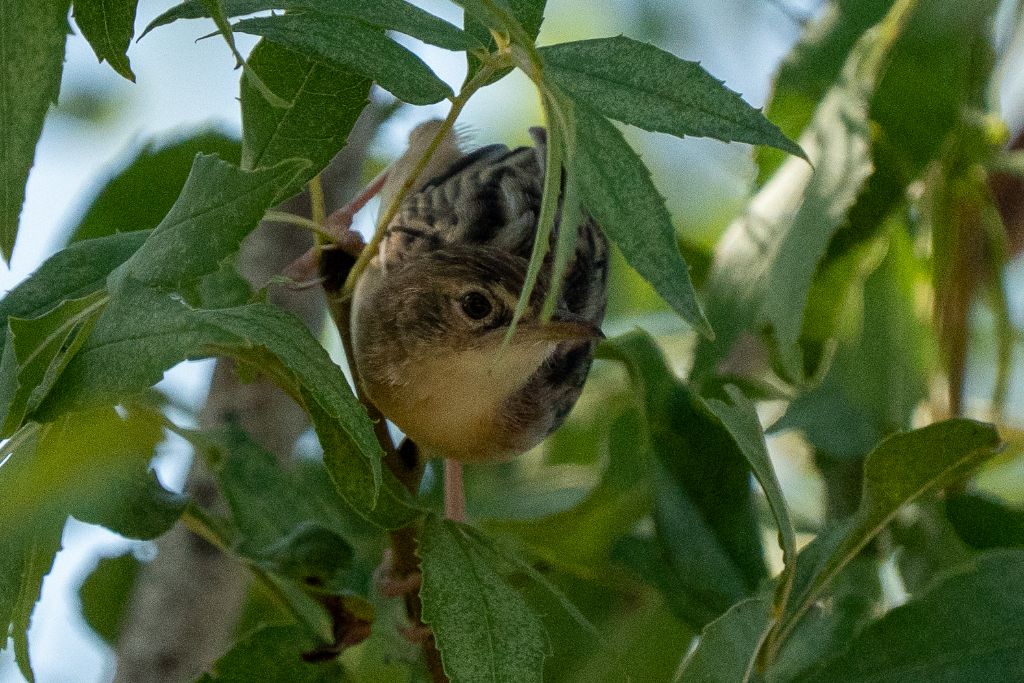
Var Scrubland Passerines
Passeriformes indet.
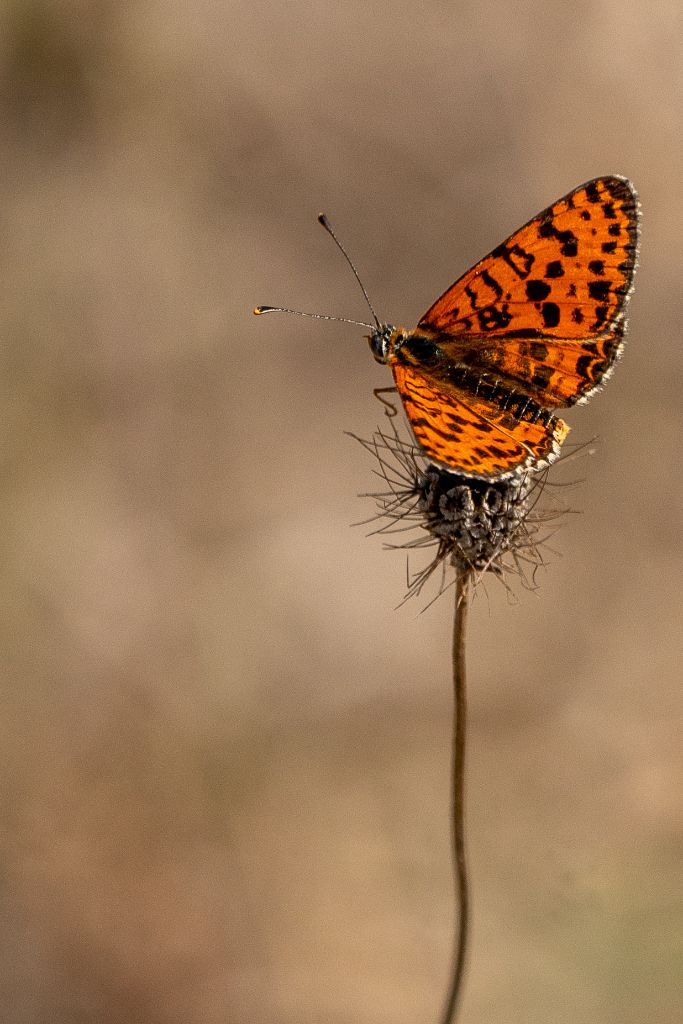
Butterflies of the Var Scrublands
Lepidoptera (Nymphalidae)
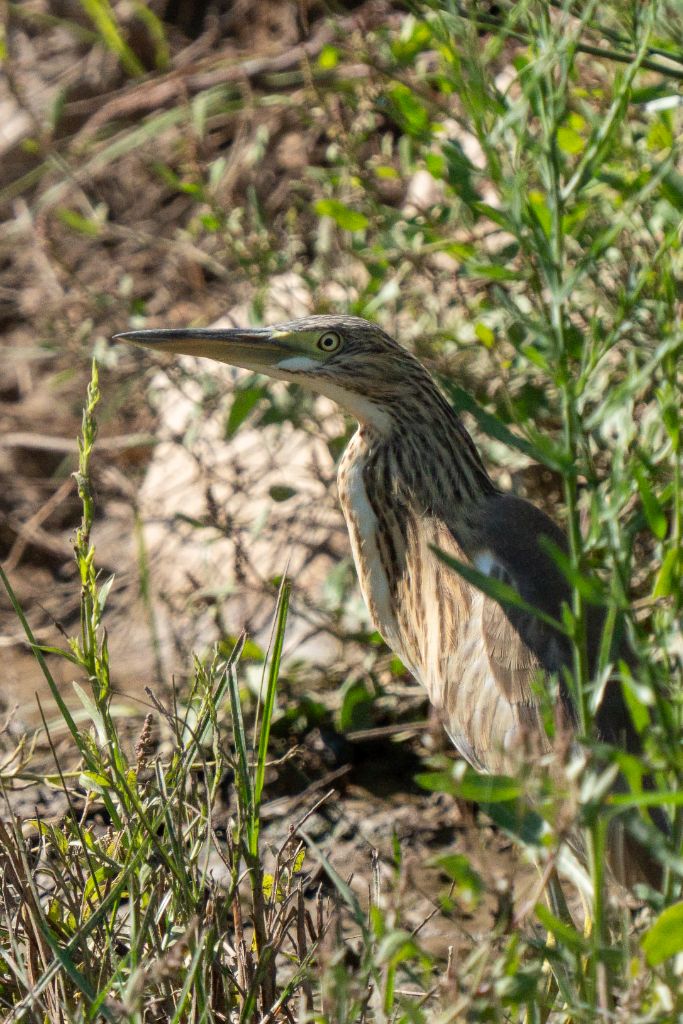
Little Bittern
Ixobrychus minutus
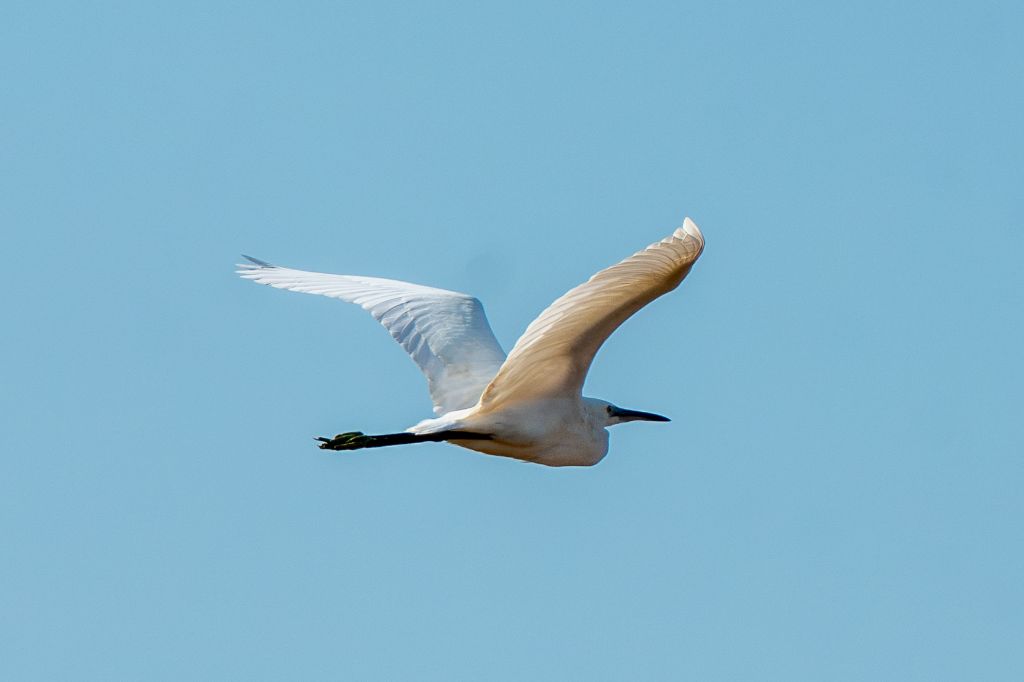
Little Egret
Egretta garzetta
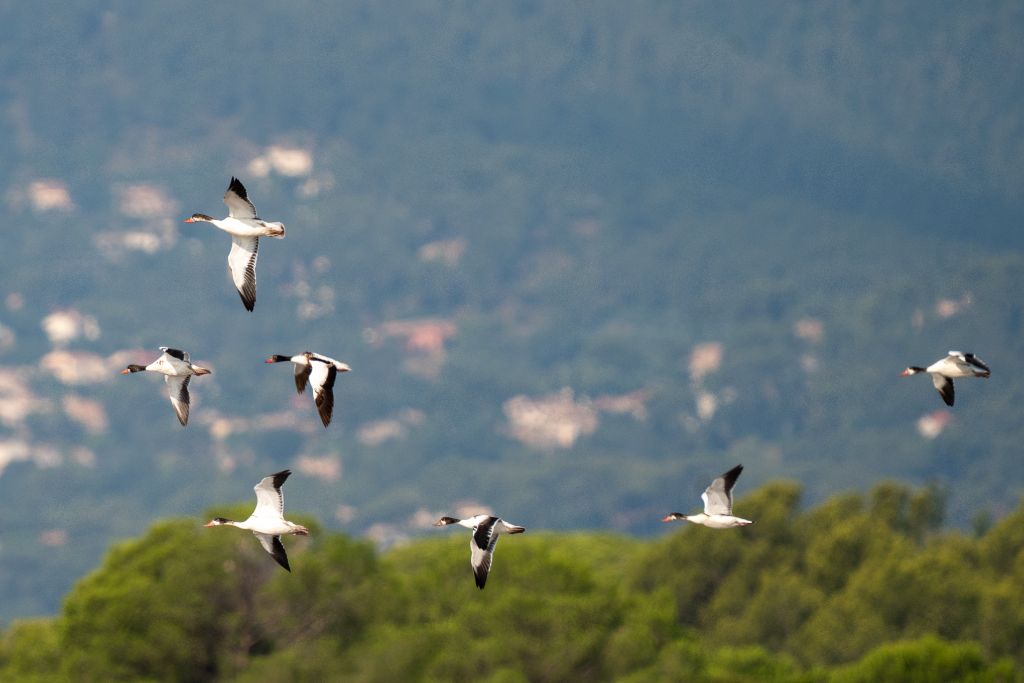
Common Shelduck
Tadorna tadorna
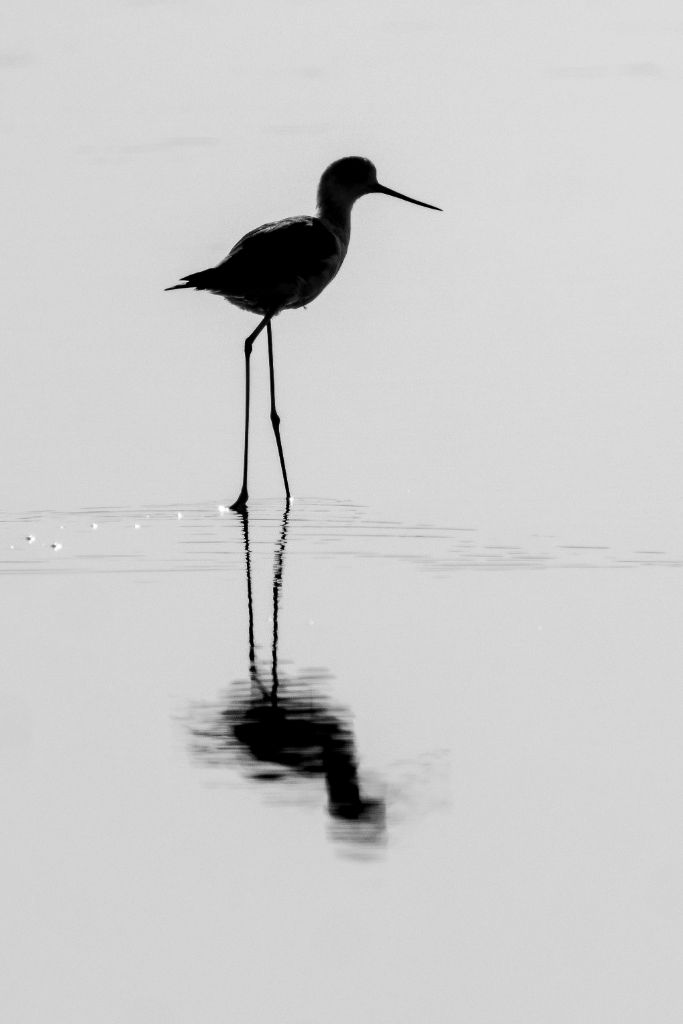
Black-winged Stilt
Himantopus himantopus
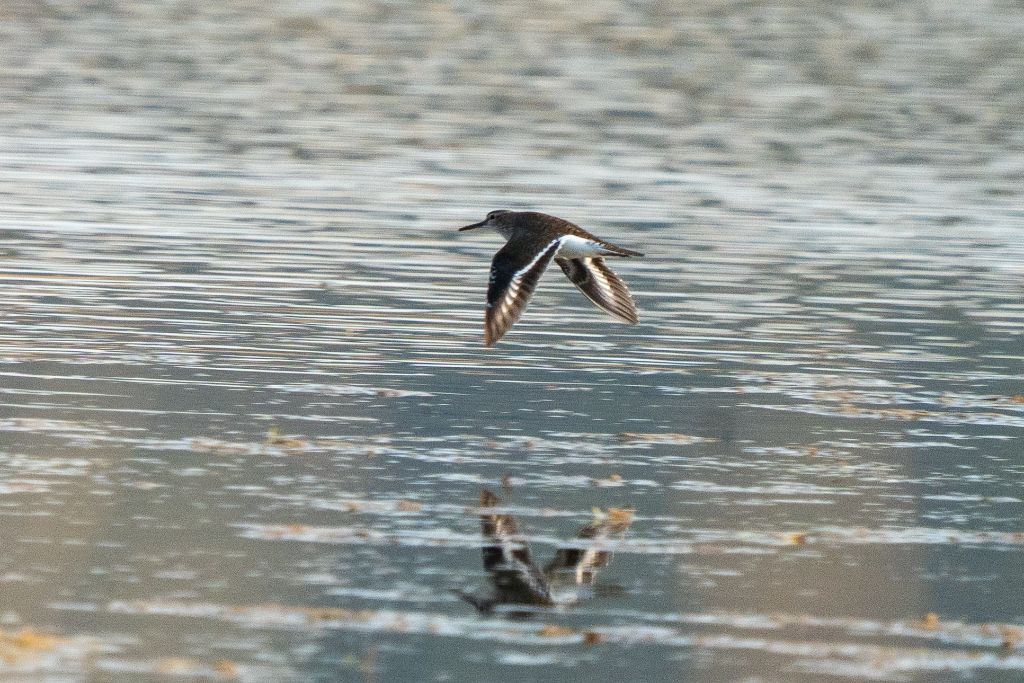
Black Tern
Chlidonias niger
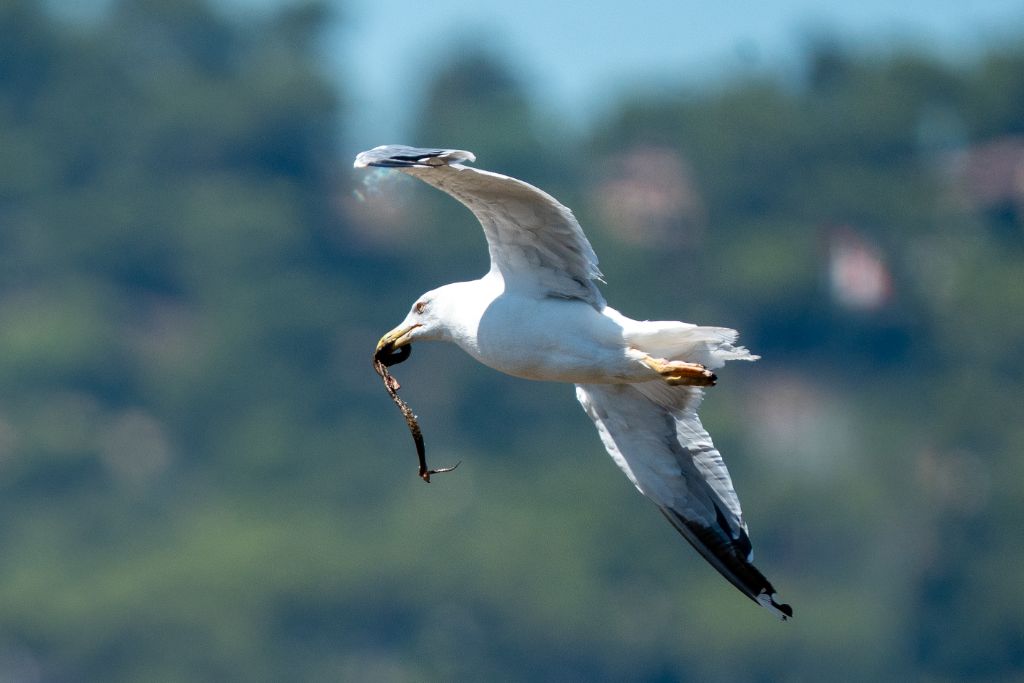
Yellow-legged Gull
Larus michahellis
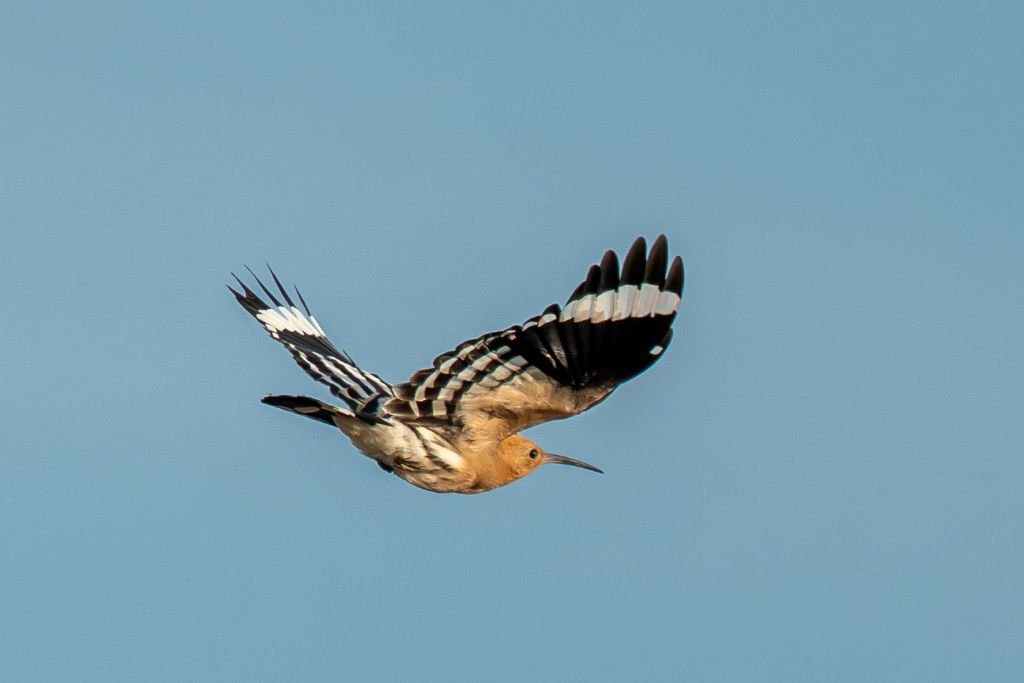
Eurasian Hoopoe
Upupa epops
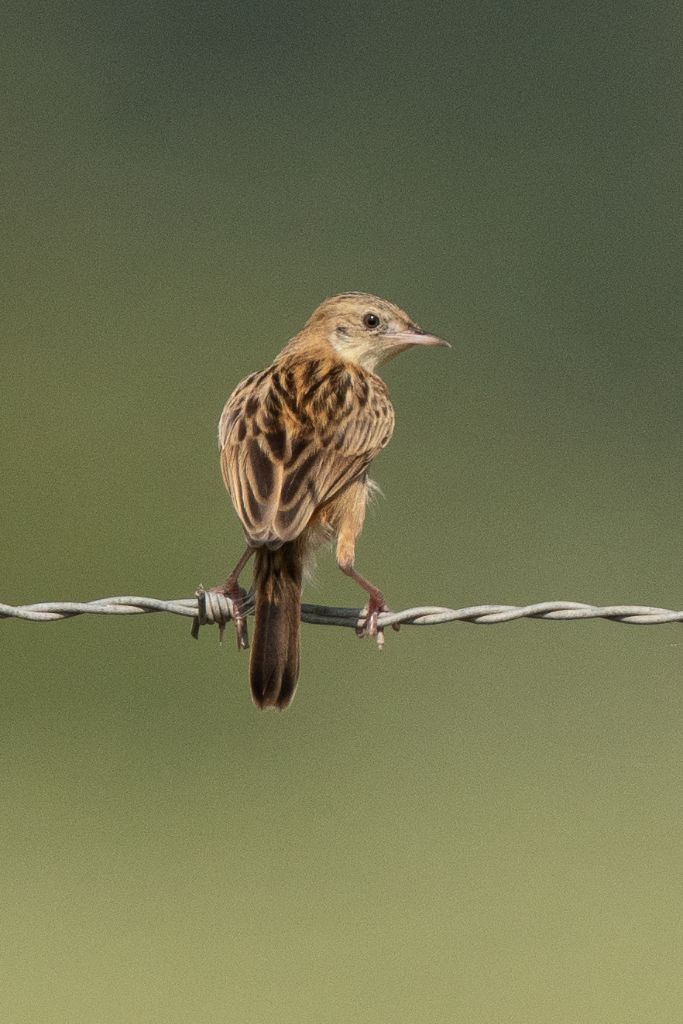
Zitting Cisticola
Cisticola juncidis
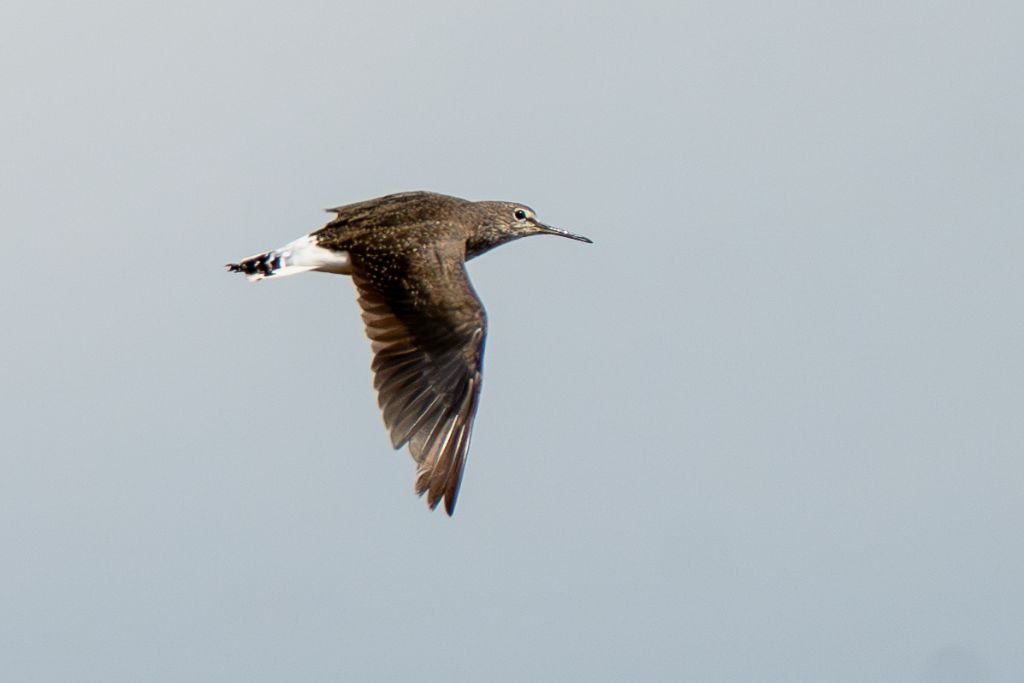
Common Sandpiper
Actitis hypoleucos
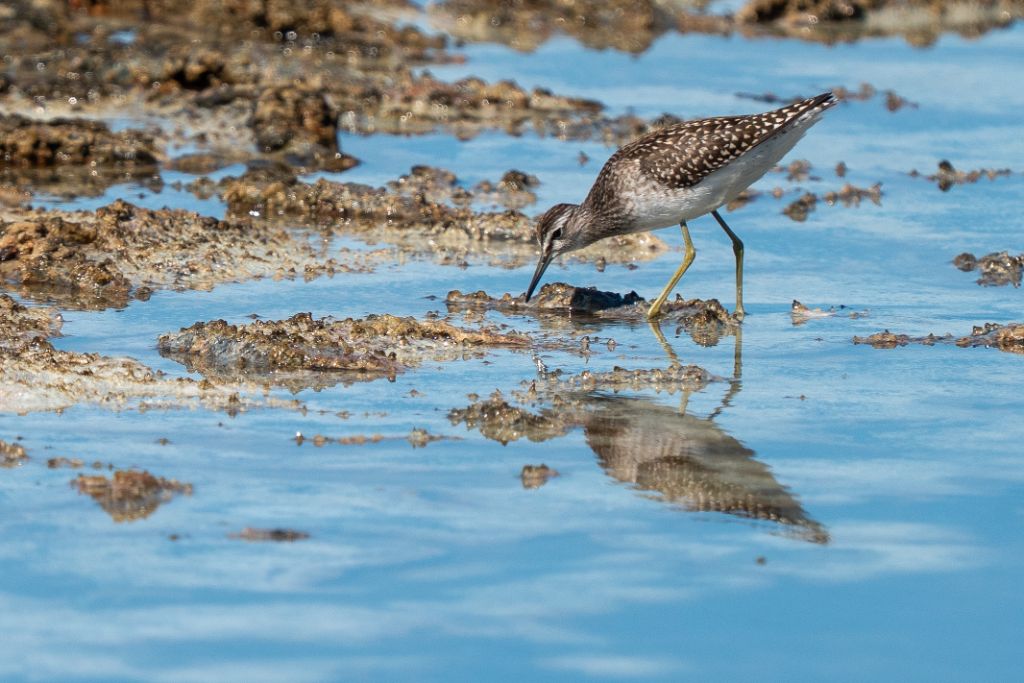
Wood Sandpiper
Tringa glareola
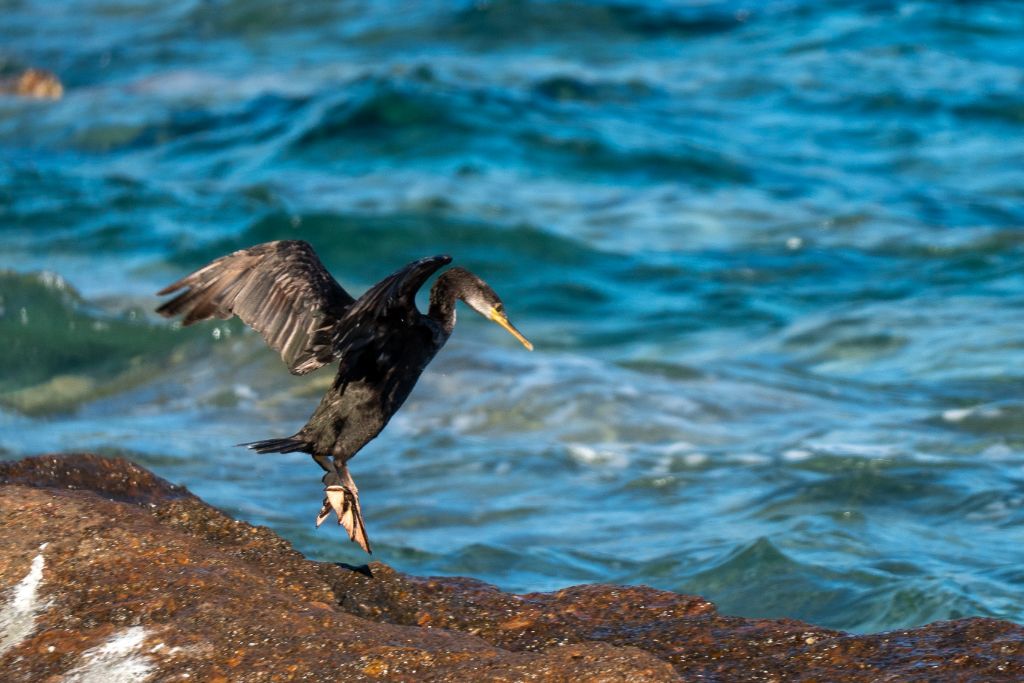
Great Cormorant
Phalacrocorax carbo
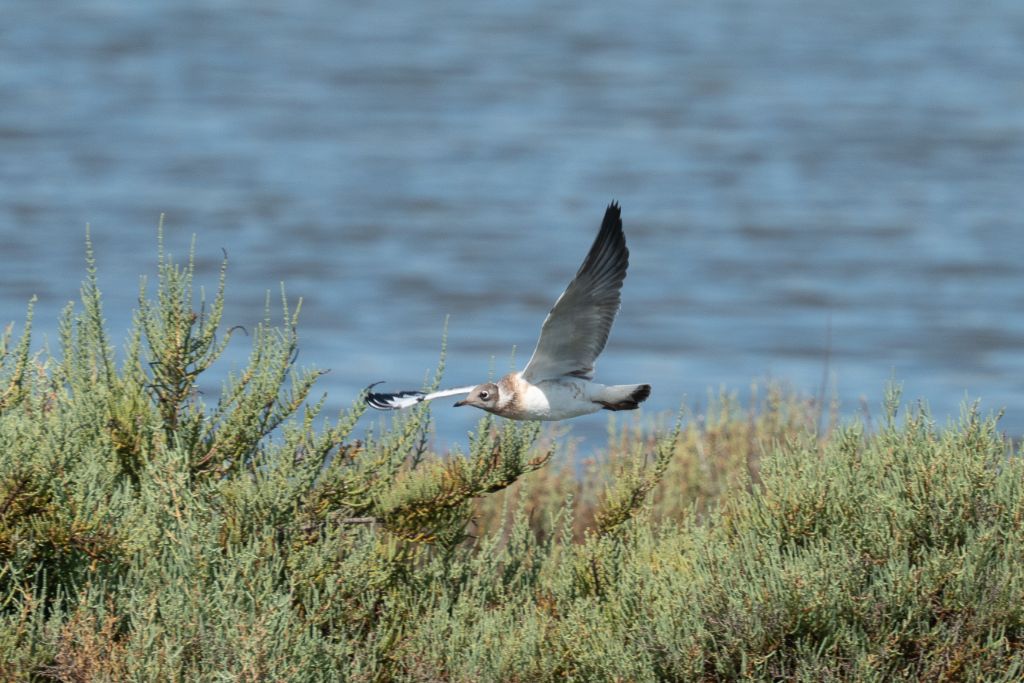
Black-headed Gull
Chroicocephalus ridibundus
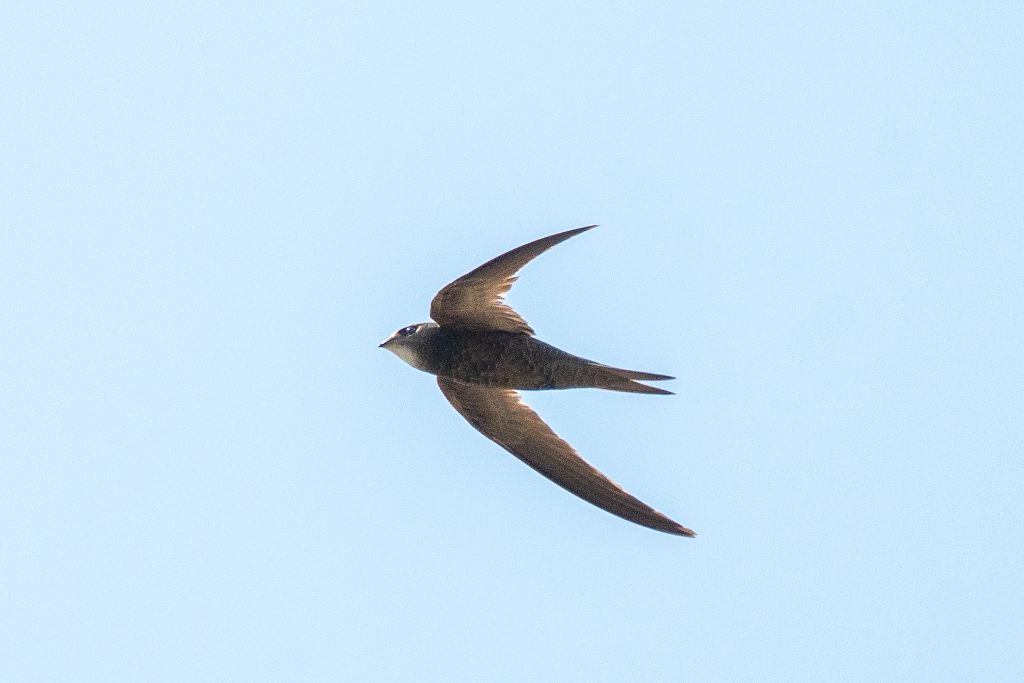
Common Swift
Apus apus
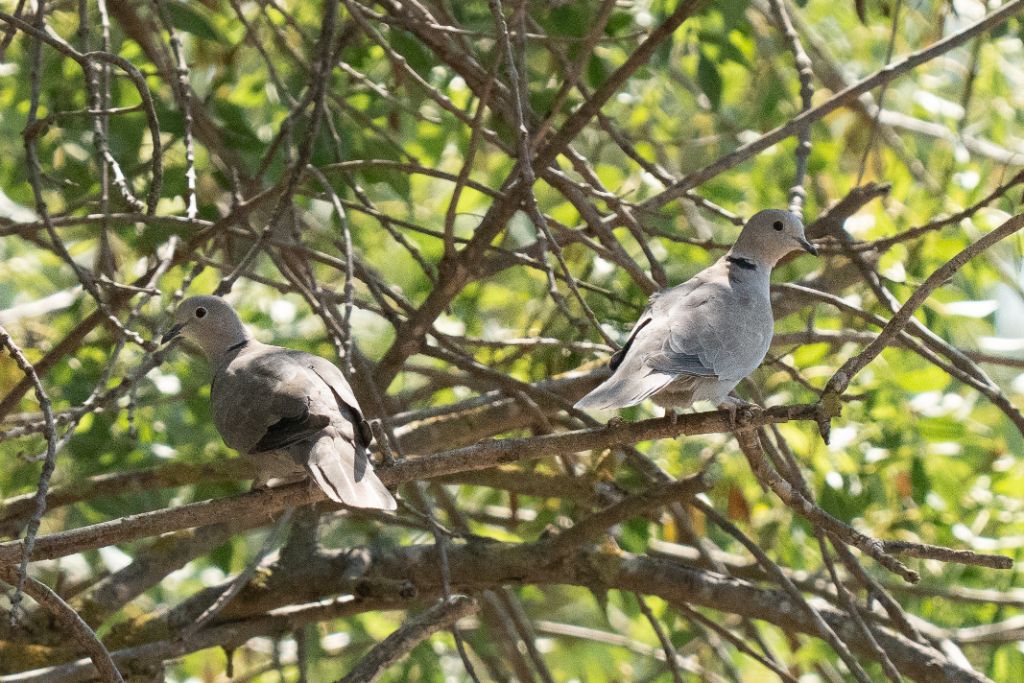
Eurasian Collared-Dove
Streptopelia decaocto
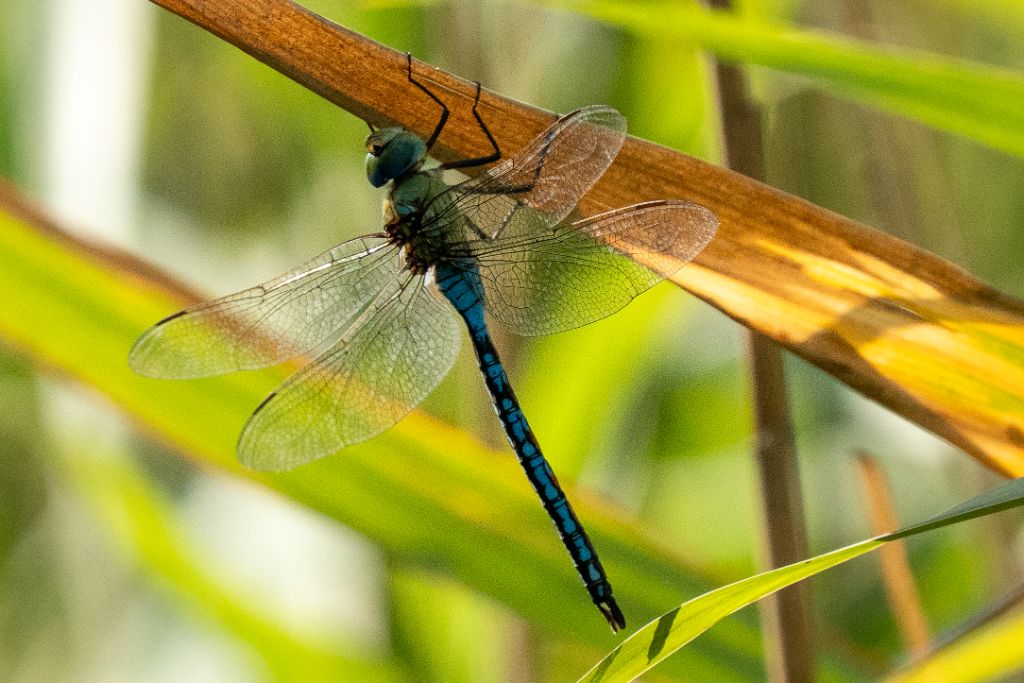
Dragonflies & Cicadas of the Var
Cicada orni & Anax imperator
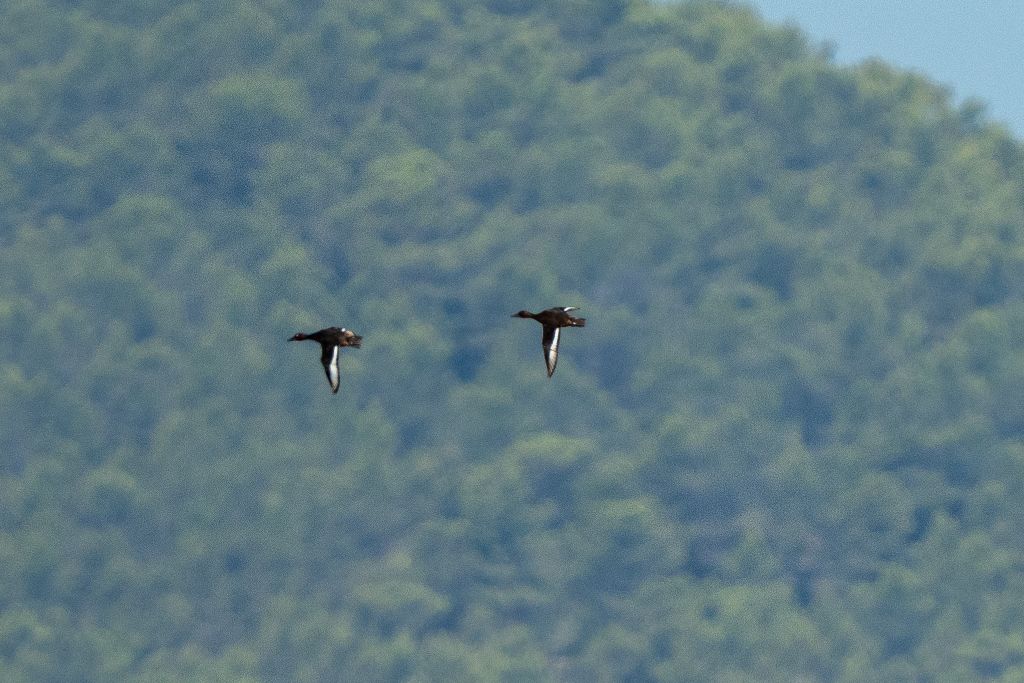
Ferruginous Duck
Aythya nyroca
TheLittle83, at the heart of Cyril Garnier’s naturalist trilogy
Alongside thelittle77.fr (Seine-et-Marne) and thelittle75.fr (Paris), Cyril Garnier extends his naturalist lens to the Var with TheLittle83. Connected to his official fine art portfolio cyrilgarnier.fr and innovation venture alkymya.co, all projects share strict adherence to Rule 11: 100% in situ wild photography.