
Ardeidae·Ordre des Pelecaniformes·Quasi menacé (NT) en PACA — Espèce protégée·📅 Updated:
The Purple Heron, stealthy phantom of the Var reedbeds
Purple Heron (Ardea purpurea)
Agrandir
Slenderer and far shyer than the Grey Heron, the Purple Heron is a master of camouflage in Mediterranean freshwater reed fringes.
My field observations in the Var — sites, months and context
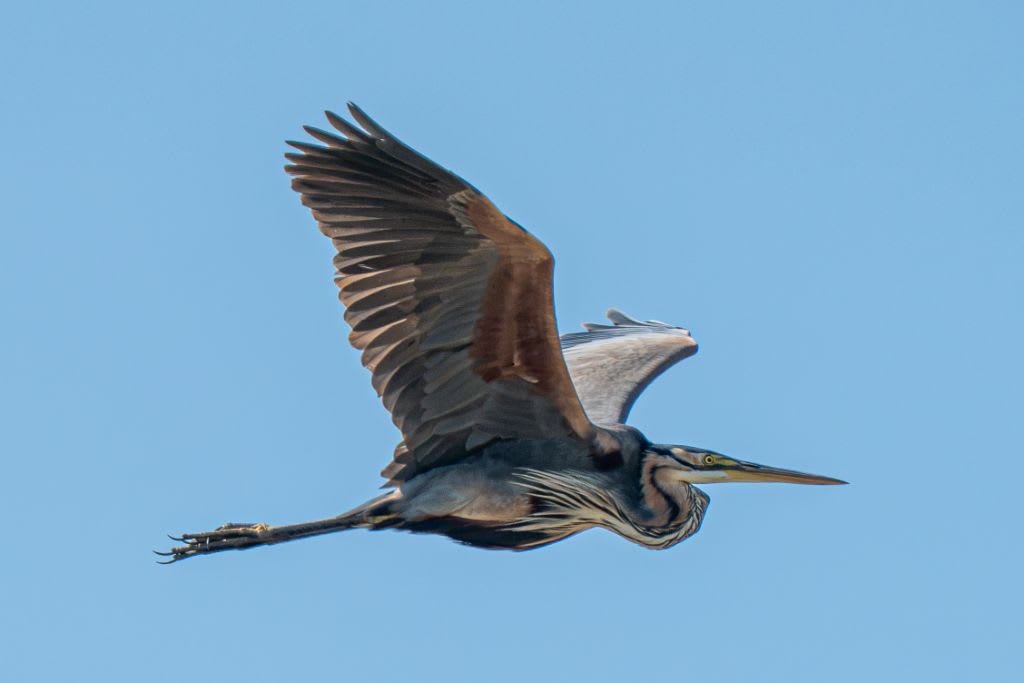
✓ Aug 2026 Synthesis (1 record)Photographed in flight traversing the reedbeds bordering Hyères Pesquiers lagoon, with neck folded and long feet stretched.
August 2026 Field Mapping Record:
📍Ceinturon Levee & Ayguade(1 rec)
Statut dans le Var : Nicheur estival et migrateur régulier (avril à fin septembre)·Période privilégiée : Mai à Septembre
Commented in situ photo gallery
2 telephoto photographs taken in the Var department (Rule 11)
Agrandir
Photo 1 / 2 — Salins des Pesquiers, Hyères, VarEn vol de profil, cou replié en S et longues pattes tendues
Agrandir
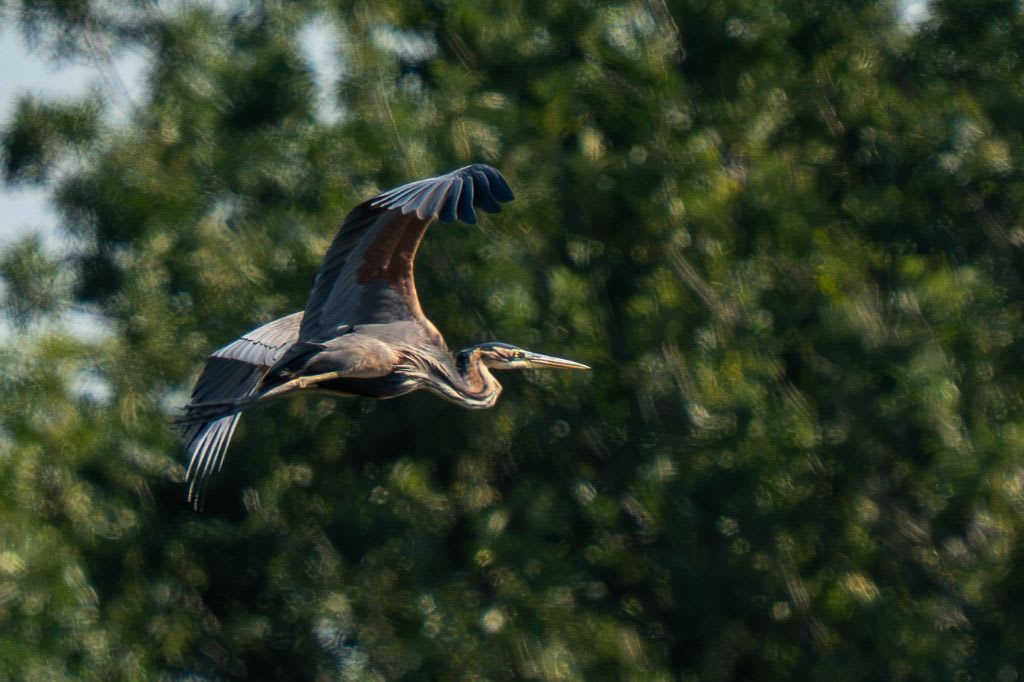
Photo 2 / 2 — Plan de La Garde / Salins d'Hyères, VarVol battu puissant, cou replié en S et pattes étirées
Recognizing the species on my photos — visible details
Narrow neck striped in chestnut and black, slate-grey back, rich purple-chestnut flanks, and very long toes.
Habitat
Dense reedbeds, freshwater ditches and quiet lagoon margins.
Diet
Freshwater fish, amphibians, water snakes, and large aquatic insects.
Photographing the species: field experience
A wary species best photographed in flight during morning transitions between feeding channels.
Remarkable facts & hide notes:
- •Its exceptionally elongated toes distribute its weight across floating reed debris.
- •Winters in tropical Africa, undertaking non-stop Mediterranean crossings.
- •Freezes upright when alert, imitating swaying reed stems.


