
The Common Sandpiper, tireless bobbing wader of coastal margins
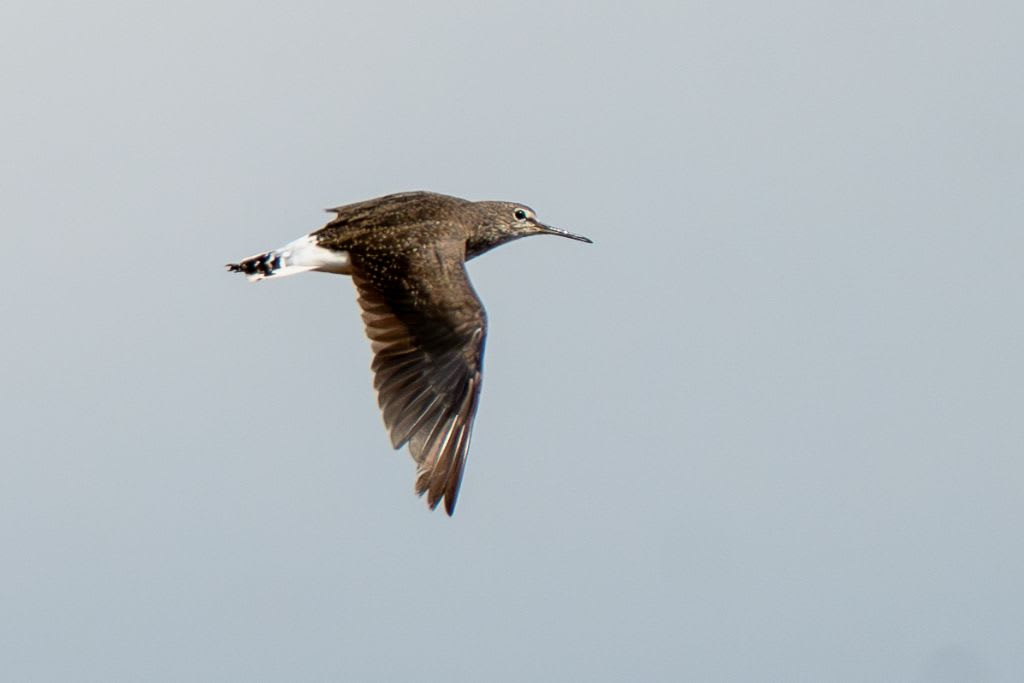
A solitary, restless small shorebird, the Common Sandpiper (Actitis hypoleucos) is immediately recognized by its perpetual tail-bobbing and low skimming flight with stiff, vibrating down-curved wingbeats.
My field observations in the Var — sites, months and context
✓ Aug 2026 Synthesis (1 record)Common during August southward migration along rocky shores of Carqueiranne, Giens beaches and Hyères salt pan embankments, constantly probing shoreline stones.
Commented in situ photo gallery
1 telephoto photographs taken in the Var department (Rule 11)
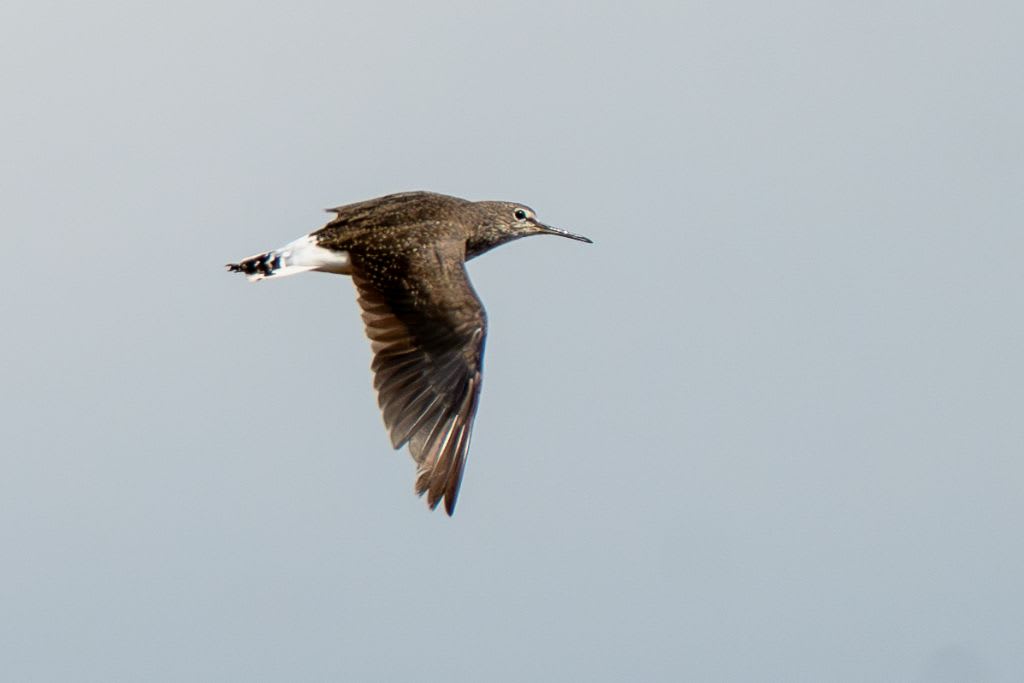
Recognizing the species on my photos — visible details
Olive-brown upperparts, pure white belly with a conspicuous white shoulder patch cutting up in front of the wing, dull greenish legs and a straight medium bill.
Rocky shores, saltpan dikes, muddy canal banks, river mouths and sheltered coastal coves.
Sandhoppers, small shore crabs, marine worms, aquatic beetles and fly larvae.
Photographing the species: field experience
Photographed low on coastal boulders, its alert posture and inquisitive tilt create dynamic, intimate coastal portraits.
- •It bobs its tail and hindquarters continuously while feeding, a trademark nervous tick that fascinates ornithologists.
- •Flushed from a bank, it skims just above water surfaces on trembling arched wings while emitting a shrill 'twee-wee-wee'.
- •It migrates largely as solitary travelers, connecting northern breeding streams to African coasts.


