
Scolopacidae·Ordre des Charadriiformes·Préoccupation mineure (LC) — Espèce protégée·📅 Updated:
The Green Sandpiper, swift dart of the Var irrigation canals
Green Sandpiper (Tringa ochropus)
Agrandir
A nervous, fast-flying wader and typically the earliest migrant returning from boreal forests to Var wetlands by mid-summer.
My field observations in the Var — sites, months and context
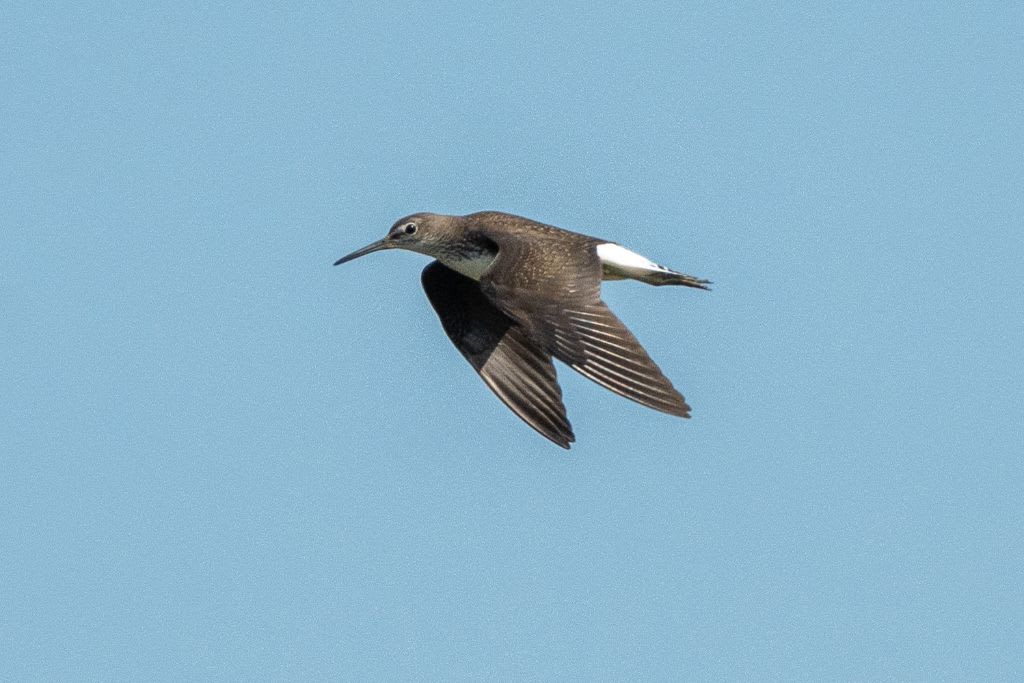
✓ Aug 2026 Synthesis (2 records)Captured in rapid flight above the Pesquiers channels, highlighting the stark contrast of its snowy-white rump.
August 2026 Field Mapping Record:
📍Pins Maritimes Campsite (Hyères / Giens)(1 rec)📍Hyères (Surrounding marshes & Gapeau river)(1 rec)
Statut dans le Var : Migrateur précoce dès juillet et hivernant régulier·Période privilégiée : Mai à Septembre
Commented in situ photo gallery
2 telephoto photographs taken in the Var department (Rule 11)
Agrandir
Photo 1 / 2 — Salins des Pesquiers, Hyères, VarVol battu vigoureux, croupion blanc pur éclatant
Agrandir
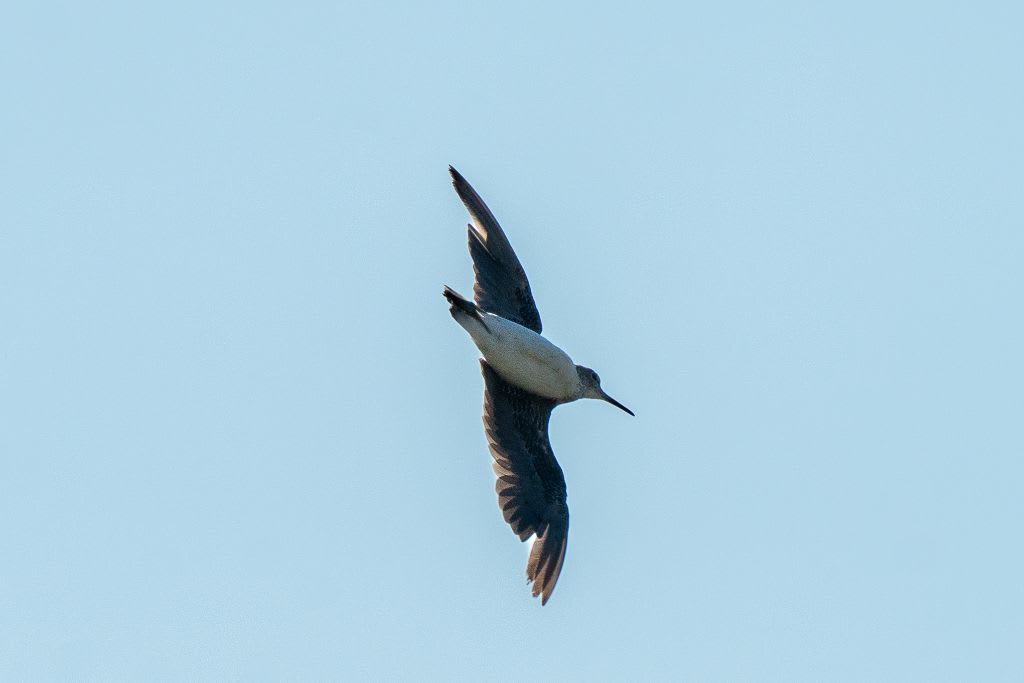
Photo 2 / 2 — Coulée du Ceinturon / Vieux Salins, Hyères, VarVol de migration actif, dessous des ailes sombre caractéristique
Recognizing the species on my photos — visible details
Length 21-24 cm with dark olive-brown upperparts speckled with white, greenish legs, and a blazing white square rump patch.
Habitat
Freshwater ditches, shaded canal margins and tamarisk-fringed salt lagoons.
Diet
Aquatic insect larvae, small freshwater crustaceans and beetles.
Photographing the species: field experience
Its erratic zig-zag takeoff requires predictive autofocus tracking and rapid reaction time.
Remarkable facts & hide notes:
- •Uniquely among waders, it nests in trees, reusing old thrush nests in boreal taiga forests.
- •Emits a distinctive ringing three-note flight call 'tweet-weet-weet' when flushed.
- •Constantly bobs its tail and hindquarters upon landing.


