
Accipitridae·Ordre des Accipitriformes·Préoccupation mineure (LC) — Espèce protégée·📅 Updated:
The European Honey-buzzard, migratory voyager of the skies
European Honey-buzzard (Pernis apivorus)
Agrandir
Superficially resembling a buzzard but with a longer pigeon-like head, the Honey-buzzard crosses the Var on its epic autumn migration to Africa.
My field observations in the Var — sites, months and context
✓ Aug 2026 Synthesis (3 records)Photographed circling in ascending thermals above the hills of Carqueiranne and the Maures massif.
August 2026 Field Mapping Record:
📍Pins Maritimes Campsite (Hyères / Giens)(1 rec)📍Hyères (Surrounding marshes & Gapeau river)(1 rec)📍Hyères (Lowlands & open sky)(1 rec)
Statut dans le Var : Migratrice régulière en effectifs remarquables fin août-début septembre·Période privilégiée : Mai à Septembre
Commented in situ photo gallery
2 telephoto photographs taken in the Var department (Rule 11)
Agrandir
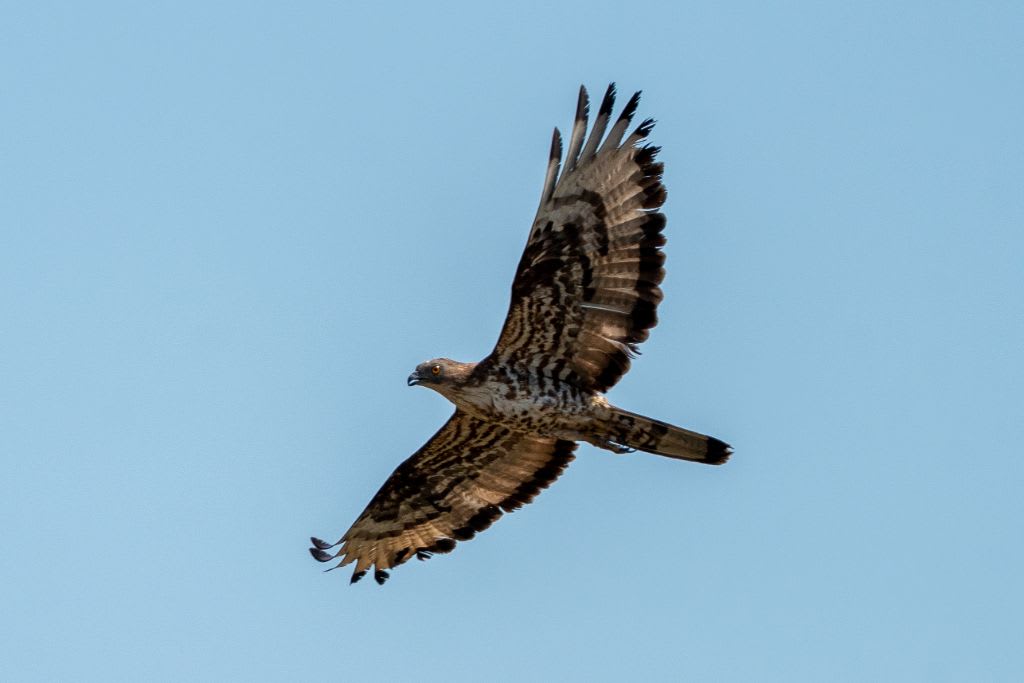
Photo 1 / 2 — Crêtes des Maures / Presqu'île de Giens, VarVol plané migratoire, ailes étendues et tête fine tournée
Agrandir
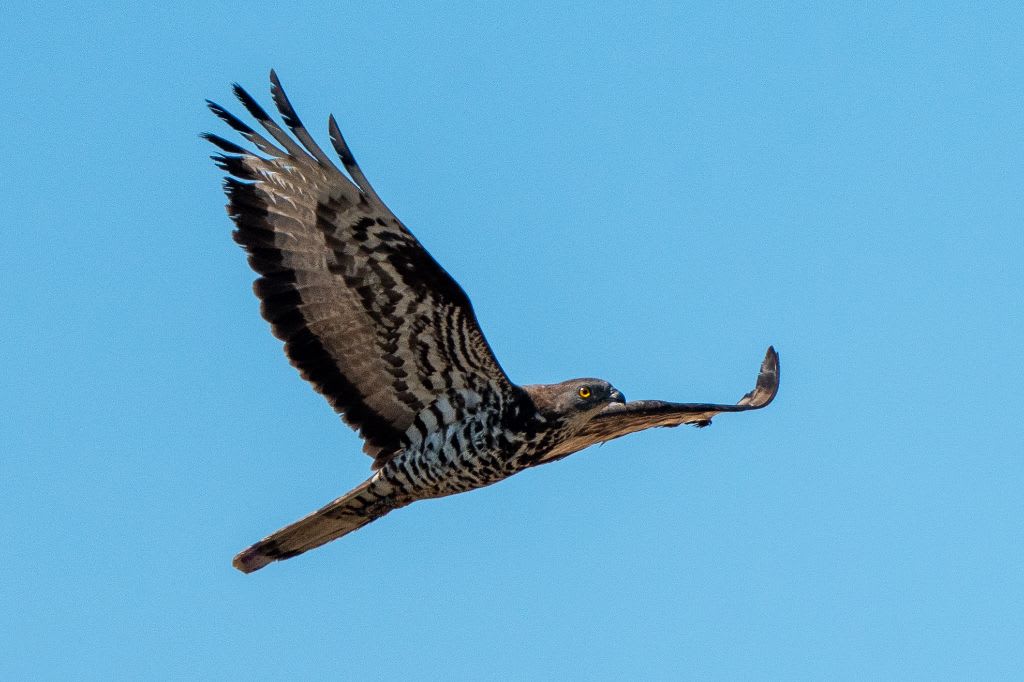
Photo 2 / 2 — Massif des Maures / Collines de Carqueiranne, VarVol migratoire au long cours, silhouette étirée et œil d'or
Recognizing the species on my photos — visible details
Wingspan 115-135 cm with a slender protruding head, long tail bearing two close dark bands near the base and a broad dark terminal bar.
Habitat
Wooded hillsides, deciduous forests and Mediterranean migration corridors.
Diet
Wasps, hornets, and wild honey comb excavated from underground nests.
Photographing the species: field experience
Best captured with telephoto lenses as migrating birds exploit ridge thermals at accessible altitudes.
Remarkable facts & hide notes:
- •Its face is shielded by dense, scale-like feathers that resist virulent wasp and hornet stings.
- •Digs into the forest floor with heavy claws to excavate underground wasp nests.
- •Avoids crossing wide bodies of water, hugging coastal thermal chains.


