
Dragonflies and Cicadas, winged marvels of the Mediterranean summer
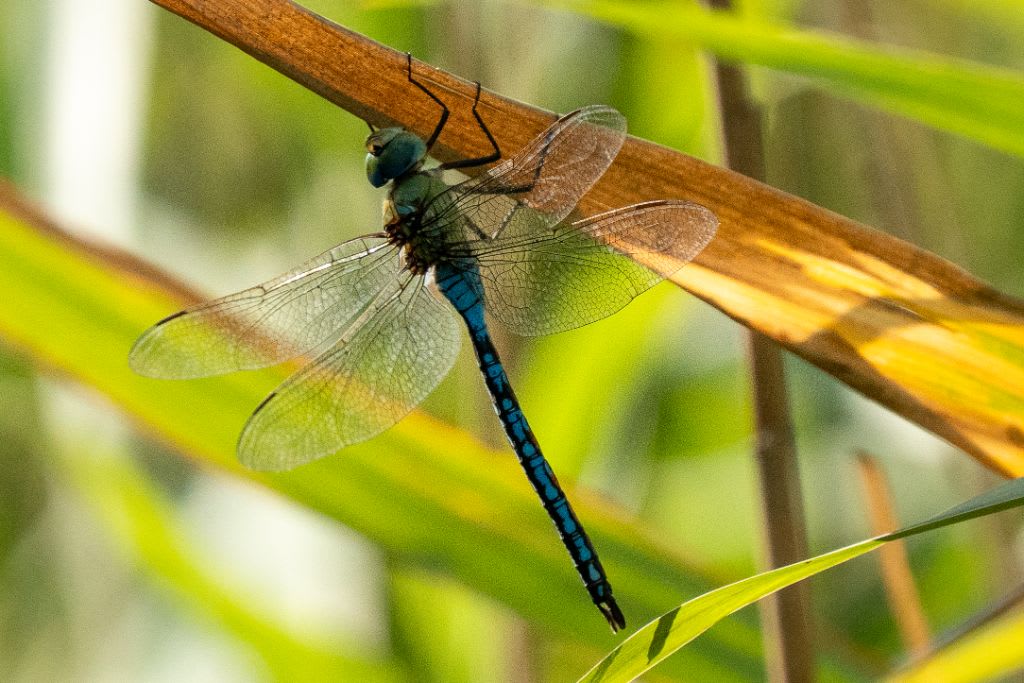
A Provencal summer is inseparable from the vibrant patrol of the Emperor Dragonfly (Anax imperator) over marsh channels and the deafening chorus of the Orne Cicada (Cicada orni) vibrating the pine canopies.
My field observations in the Var — sites, months and context
Captured along irrigation channels of Hyères salt flats, Ceinturon reed edges, and on sunny pine trunks on Carqueiranne hillsides.
Commented in situ photo gallery
3 telephoto photographs taken in the Var department (Rule 11)
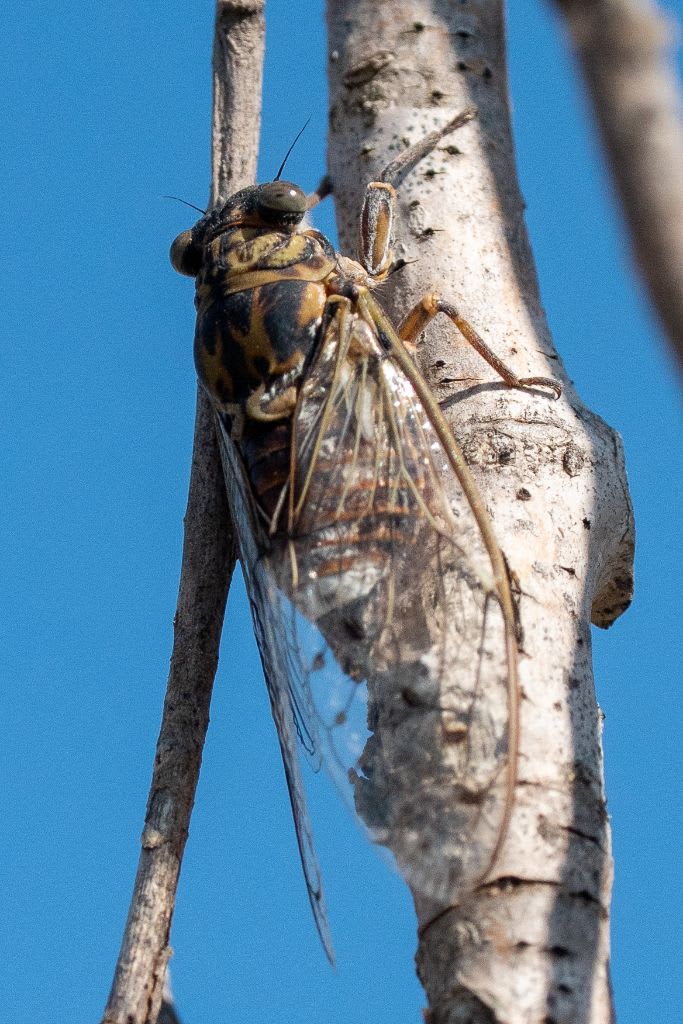
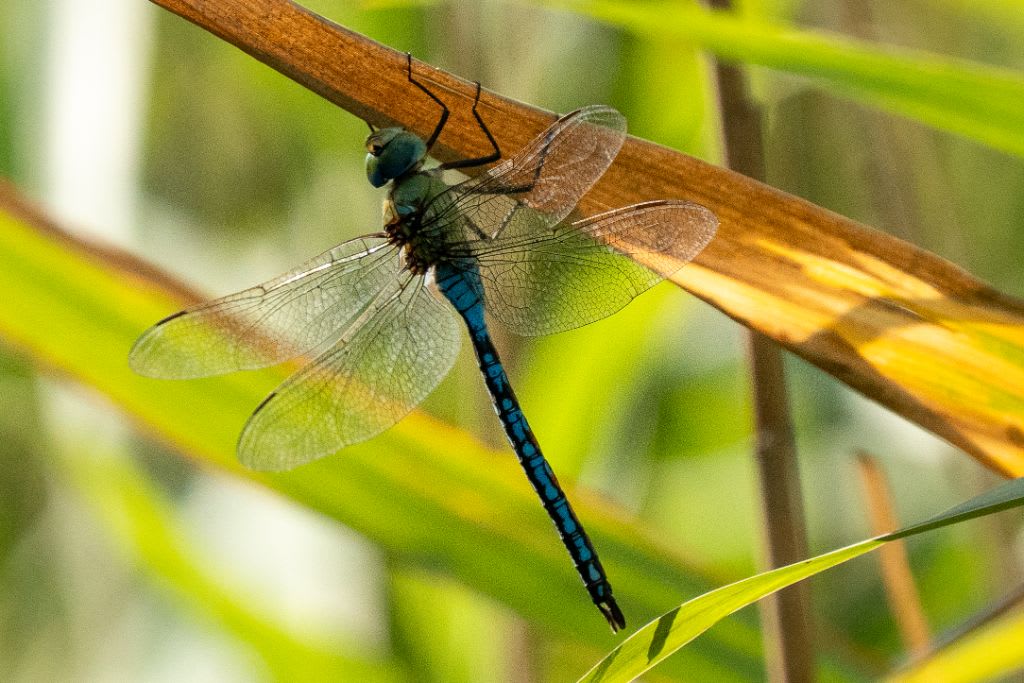
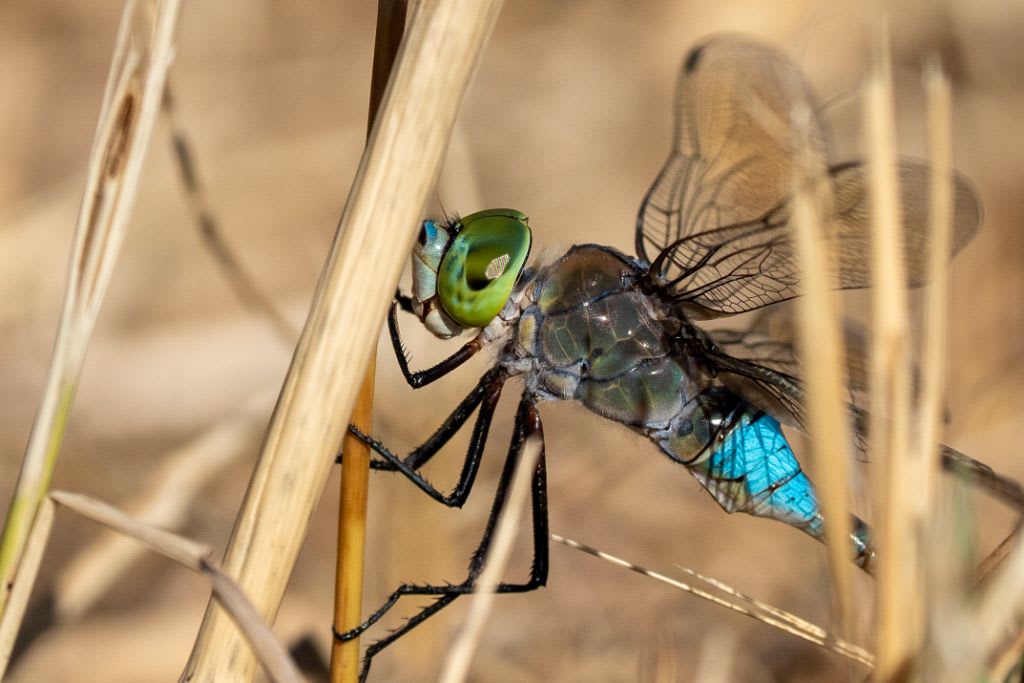
Recognizing the species on my photos — visible details
The Emperor Dragonfly reaches 85 mm with an apple-green thorax and brilliant azure abdomen. The Orne Cicada features cryptic mottled bark patterns and dark dots on transparent wing veins.
Ditches, freshwater and brackish canals, reedbeds, sunny pine groves and olive orchards.
Predatory insects for the dragonfly; plant sap from tree xylem for the cicada.
Photographing the species: field experience
Capturing dragonflies resting on vegetation exposes miraculous structural details: iridescent compound eyes and delicate wing venation.
- •The Emperor Dragonfly is Western Europe's largest dragonfly, able to hover, fly backwards and hit 50 km/h.
- •Dragonfly nymphs live underwater for up to two years hunting tadpoles and fish before transforming.
- •The Orne Cicada spends up to 6 years underground before climbing tree trunks to sing during peak summer heat.


