
The Little Bittern, secret ghost of the Var reedbeds
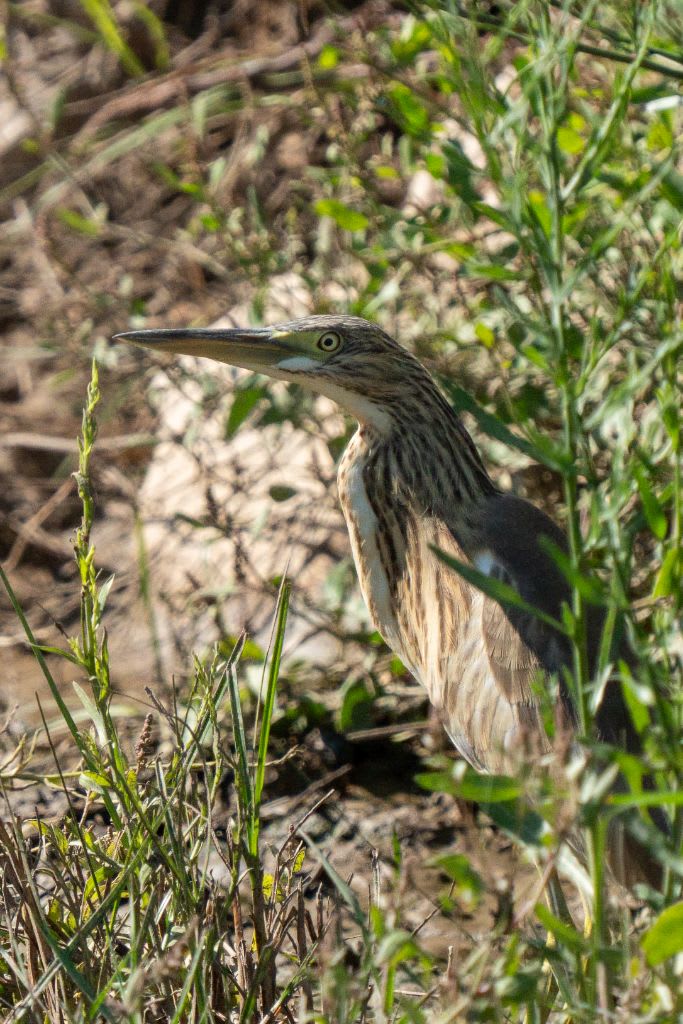
A diminutive heron barely larger than a collared dove, the Little Bittern (Ixobrychus minutus) is one of Europe's most secretive wetland birds. A master of camouflage in the dense reedbeds of La Lieurette and Plan de la Garde, it climbs vertical reed stems with acrobatic ease.
My field observations in the Var — sites, months and context
Encountered in thick stands of common reeds and cattails across Var wetlands, mostly at dawn or dusk. The bird freezes with its neck stretched vertically, merging impeccably with dry reed stems.
Commented in situ photo gallery
1 telephoto photographs taken in the Var department (Rule 11)
Recognizing the species on my photos — visible details
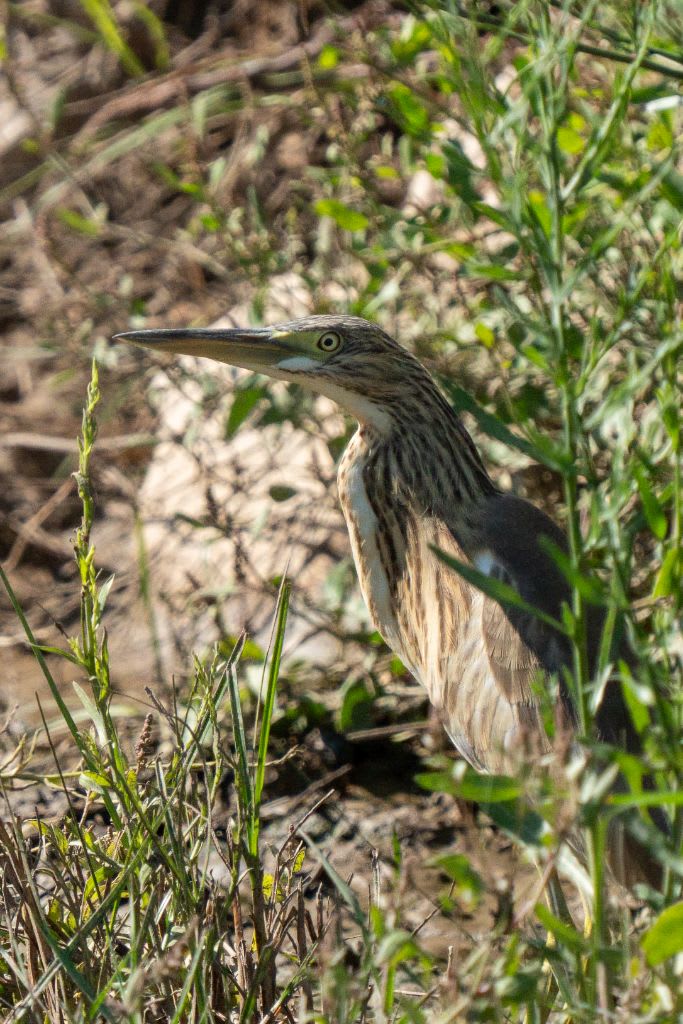
About 35 cm in length. The adult male displays a glossy greenish-black crown and mantle contrasting with pale creamy wing-coverts and pinkish-buff underparts. Females are browner and delicately streaked.
Dense Phragmites reedbeds, sedge marshes, willow-fringed ponds and slow-moving freshwater channels.
Small fish (bleak, mosquitofish), frogs, tadpoles, dragonfly larvae and aquatic invertebrates.
Photographing the species: field experience
An exceptional sighting demanding hours of silent waiting at the marsh edge. When it steps into a reed gap, split-second focus is essential to capture its piercing amber gaze.
- •When alarmed, it sways synchronously with the reeds in the wind to maintain perfect camouflage.
- •Long curved toes enable it to clamber vertically through reed stems without touching the water.
- •It winters in sub-Saharan Africa, flying thousands of miles each spring to breed in sunny Provencal wetlands.


